Project introduction
This article is a pattern overview, not a complete tutorial. It offers a plain language tour of stitch vocabulary used in many crochet projects, with what each technique does, where it fits, and how demanding it may feel. For full step by step guidance, see Original designer’s pattern and instructions.
- Hook: size not specified in the source.
- Yarn: fiber, weight, and amount not specified in the source.
- Markers, needles, and other notions: none listed in the source.
Confused by terms? Not a problem. Learn about the Most Common Crochet Stitch Techniques with simple explanations for every skill level!
If stitch names have felt confusing, this overview aims to lower that barrier. It suits someone holding a hook for the first time and someone returning after a break for a refresher. The focus stays on essential stitches that appear again and again, explained in everyday language for more confident pattern reading.
1. Slip Knot
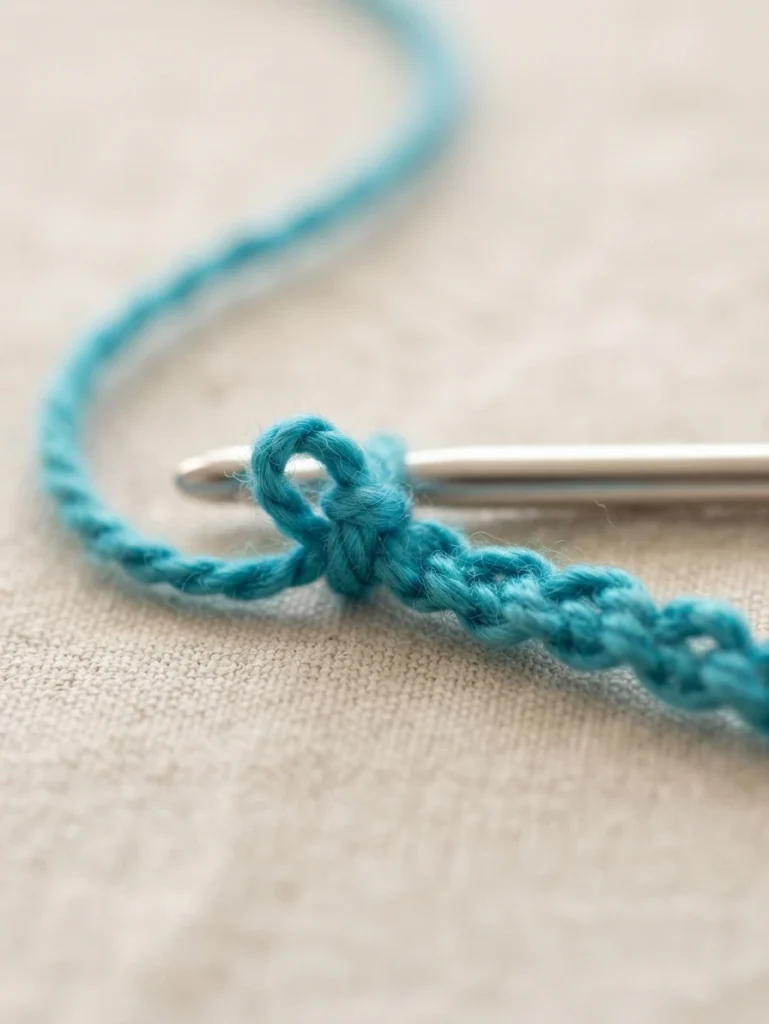
Think of the slip knot as the adjustable loop that connects yarn to hook at the very start. Almost every project begins with it, yet the source tutorials do not count it as a stitch. The loop tightens or loosens for a tidy starting point.
2. Chain (ch)
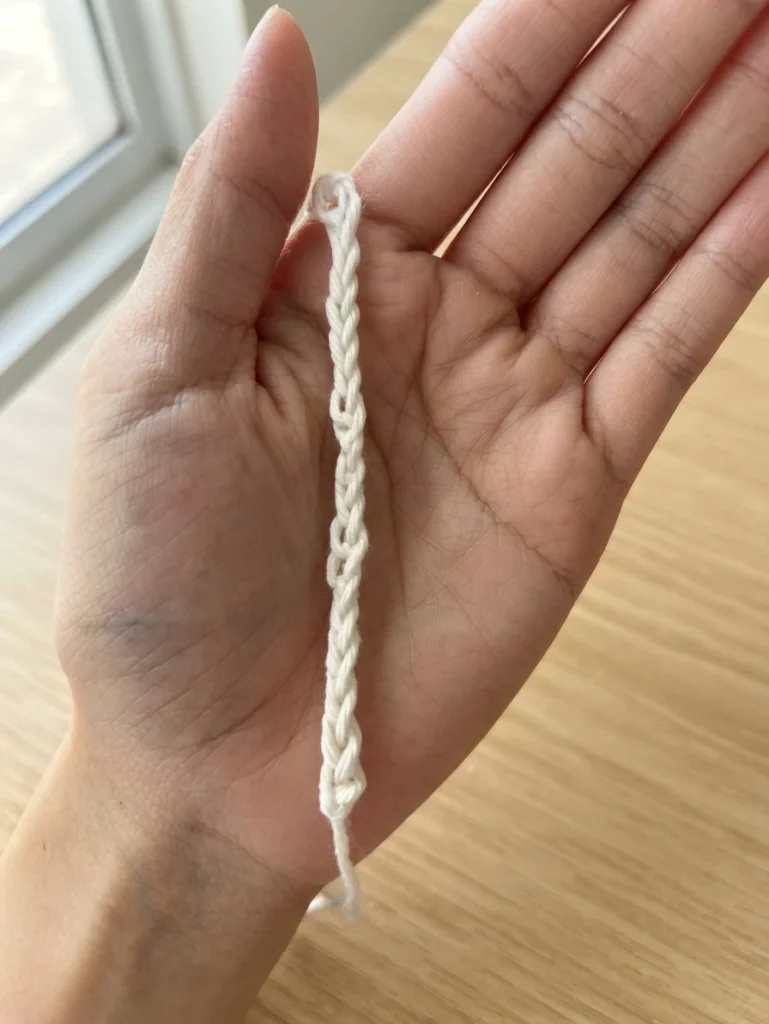
The chain often forms the first row in flat work, creating a base line to build on. It also appears at the end of a row, where it lifts the hook to the height needed for the next row. That open structure suits mesh and lace.
3. Magic Ring (mr)
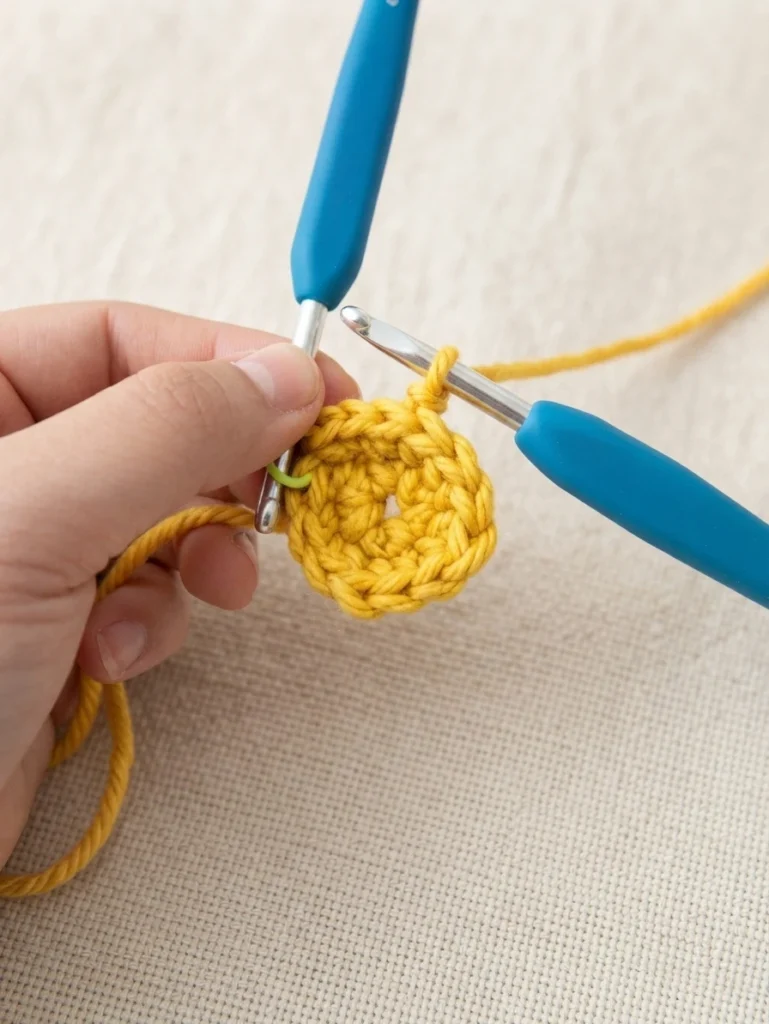
The magic ring, called the magic circle in some tutorials, is an adjustable ring that pulls tightly closed to leave a neat center with little or no hole. That quality suits work in rounds, including amigurumi toys and granny squares.
4. Slip Stitch (sl st)
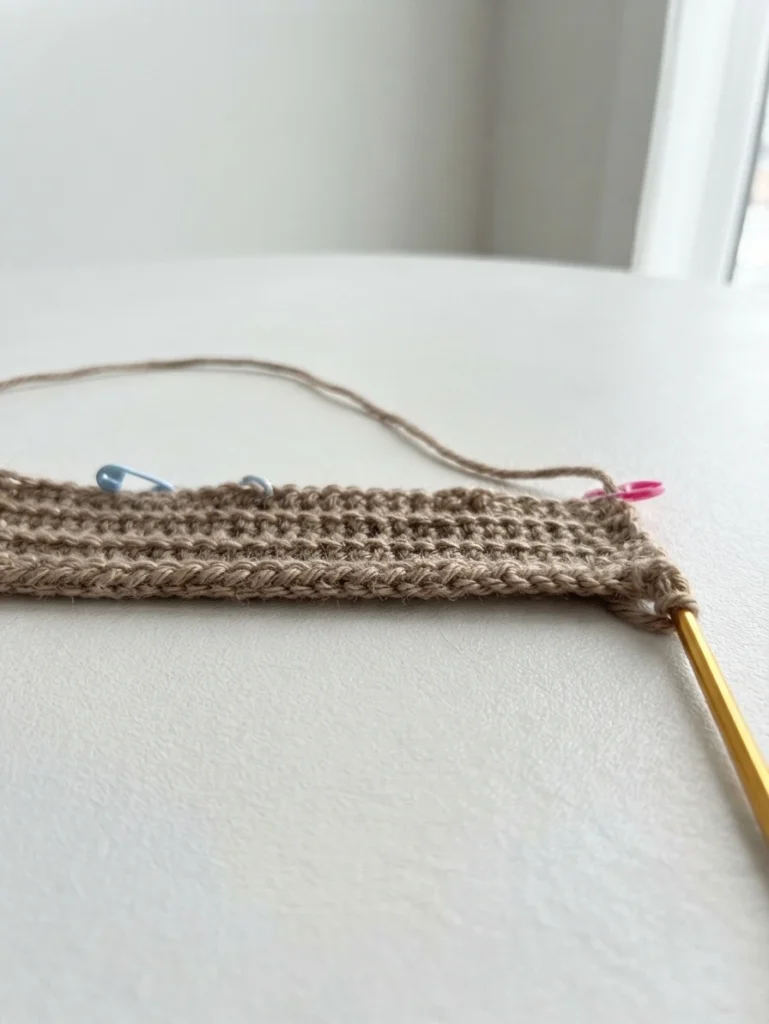
The slip stitch is the shortest and simplest stitch in this set. It does not add much height, so makers use it to join rounds, shift yarn to a new spot, or finish an edge cleanly. Its low profile keeps joins flat.
5. Single Crochet (sc)
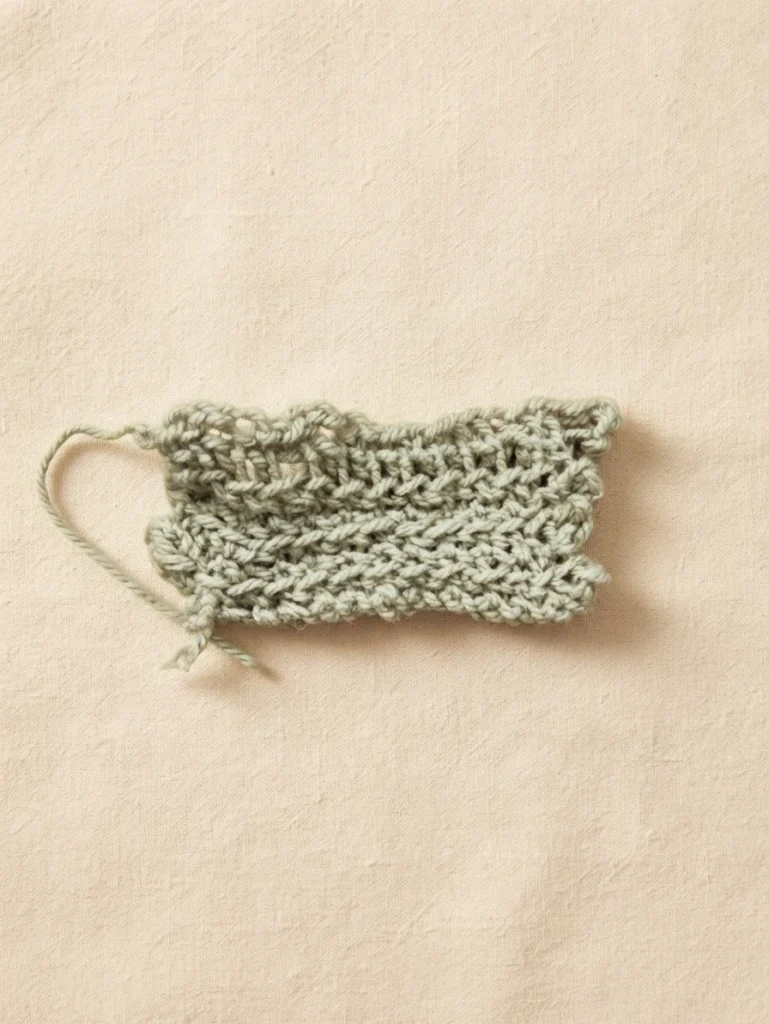
After the chain, single crochet is often the first true stitch a new maker learns. It is short, compact, and simple to recognize, and it suits dense fabrics such as amigurumi, dishcloths, bags, and similar projects. The abbreviation sc belongs to US terminology.
6. Double Crochet (dc)
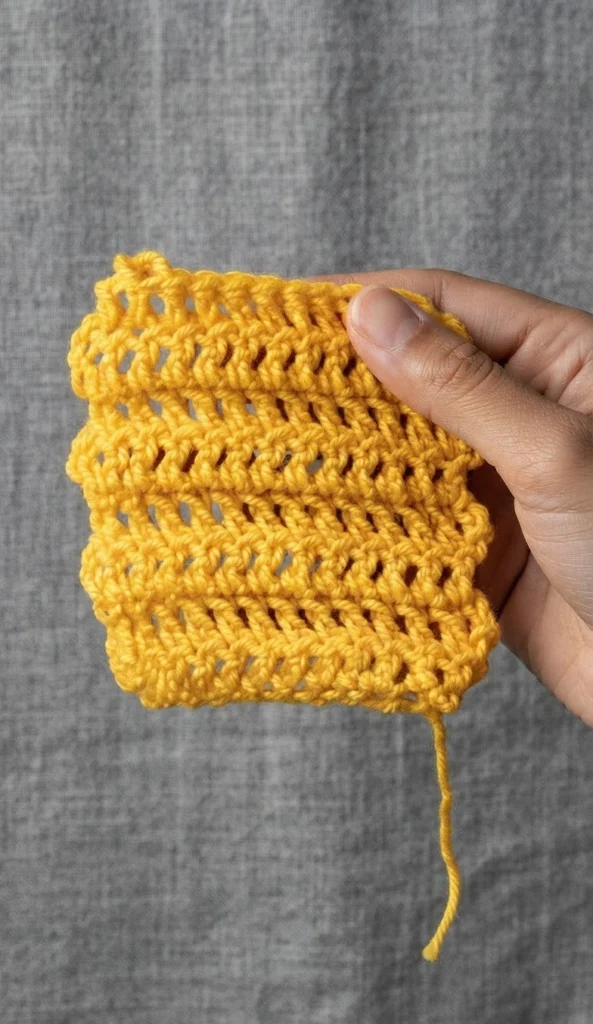
Double crochet needs a careful note on terms, because dc looks the same in US and UK lists yet means two different things. In this US guide, it is a tall stitch that covers ground faster, handy for shawls, blankets, and sweaters.
7. Half Double Crochet (hdc)
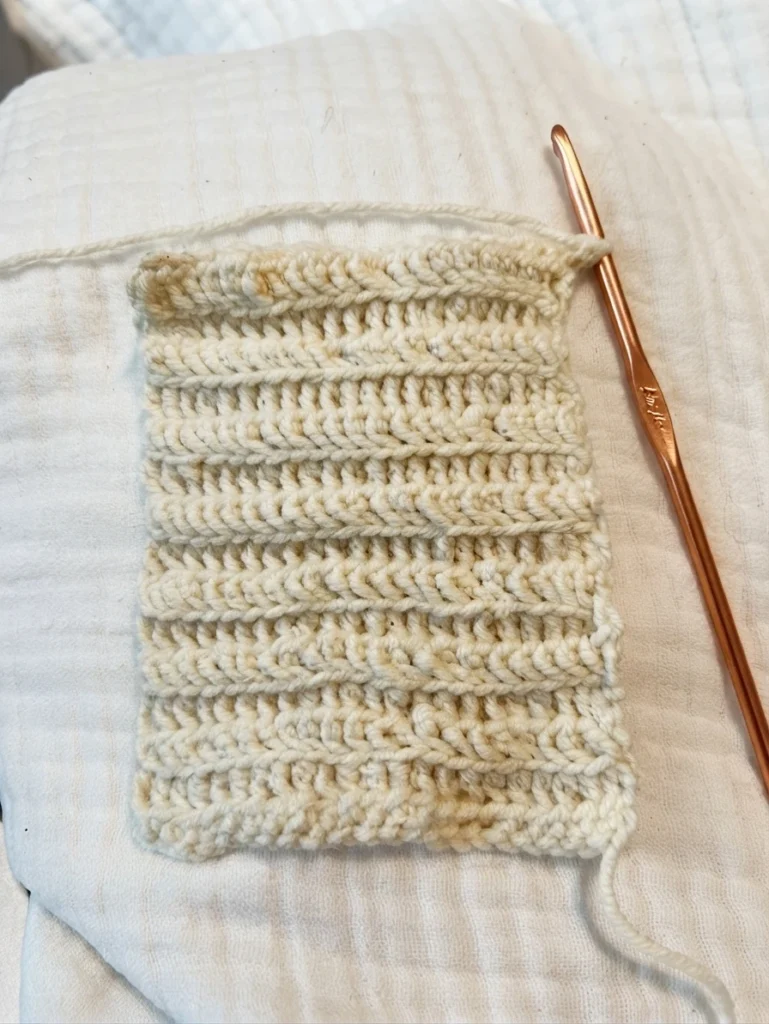
Half double crochet sits between its neighbors in height, taller than single crochet and shorter than double crochet. That middle height gives a little more drape than single crochet while keeping more density. It can help soft blankets, hats, and scarves grow faster.
8. Treble Crochet (tr)
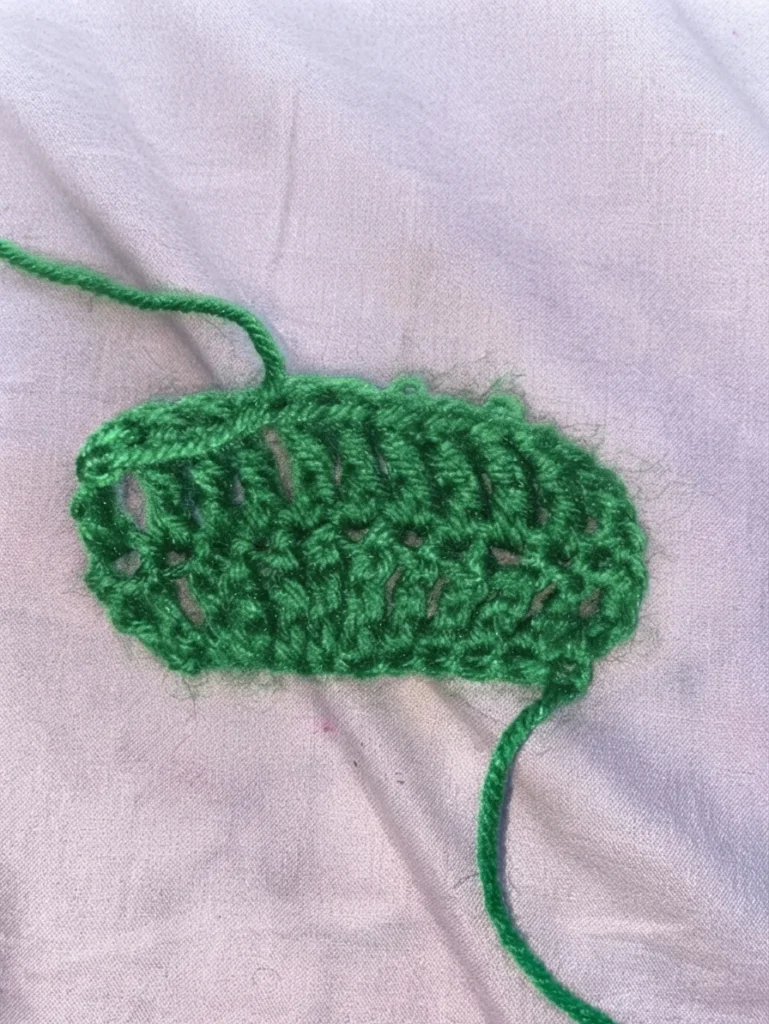
Treble crochet, also called triple crochet in US terminology, ranks among the tallest basic stitches. Its extra height creates an open, airy fabric that feels light and breathable, so it appears often in lacy work and decorative designs where drape matters.
9. Double Treble Crochet (dtr)
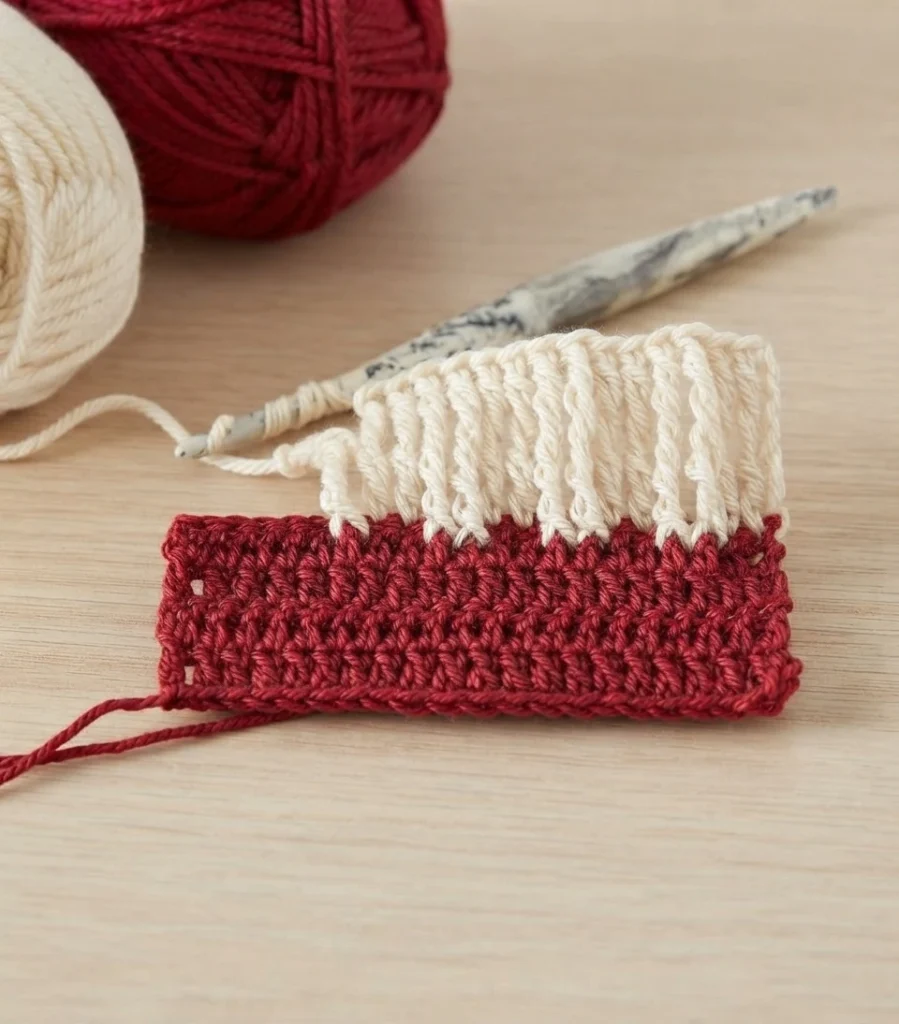
Double treble crochet goes one step beyond treble crochet, adding still more height while keeping a similar character. That extra length suits lace, decorative motifs, and textured designs where a taller stitch is wanted. Use it for more openness or a bolder vertical line.
10. Front Post Double Crochet (FPDC)
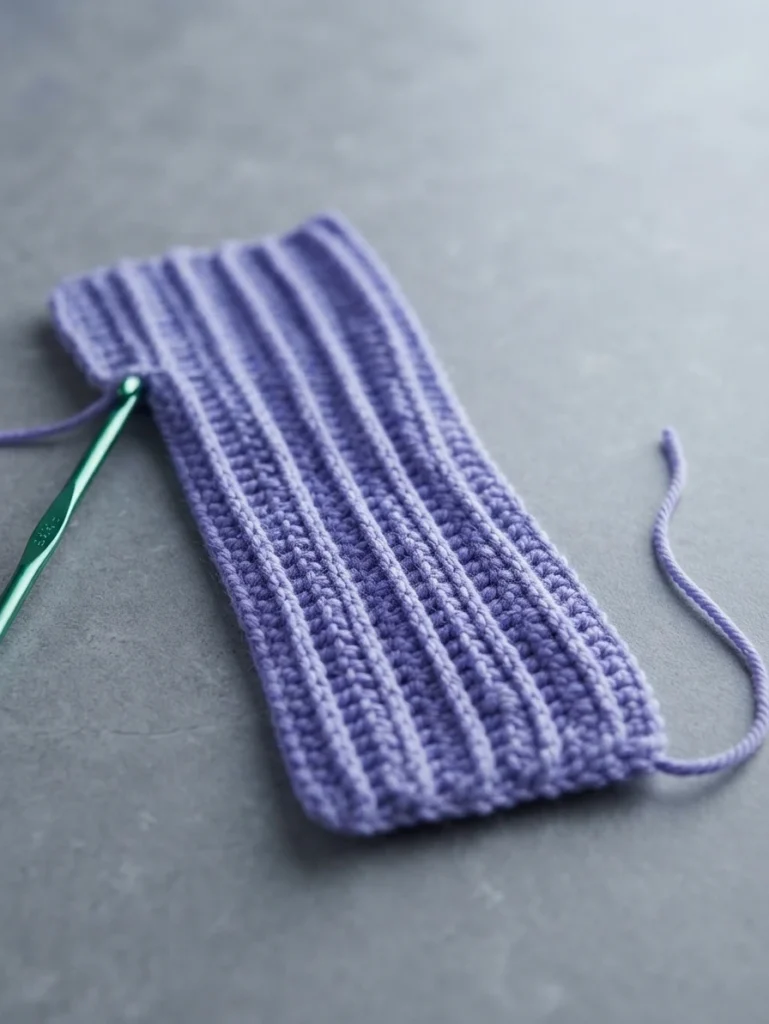
Front post double crochet builds on standard double crochet, but the hook goes around the post of a stitch from the front rather than through the top loops. That placement pushes the stitch forward, forming raised, textured ridges for ribbing, cables, and other textured patterns.
11. Back Post Double Crochet (BPDC)
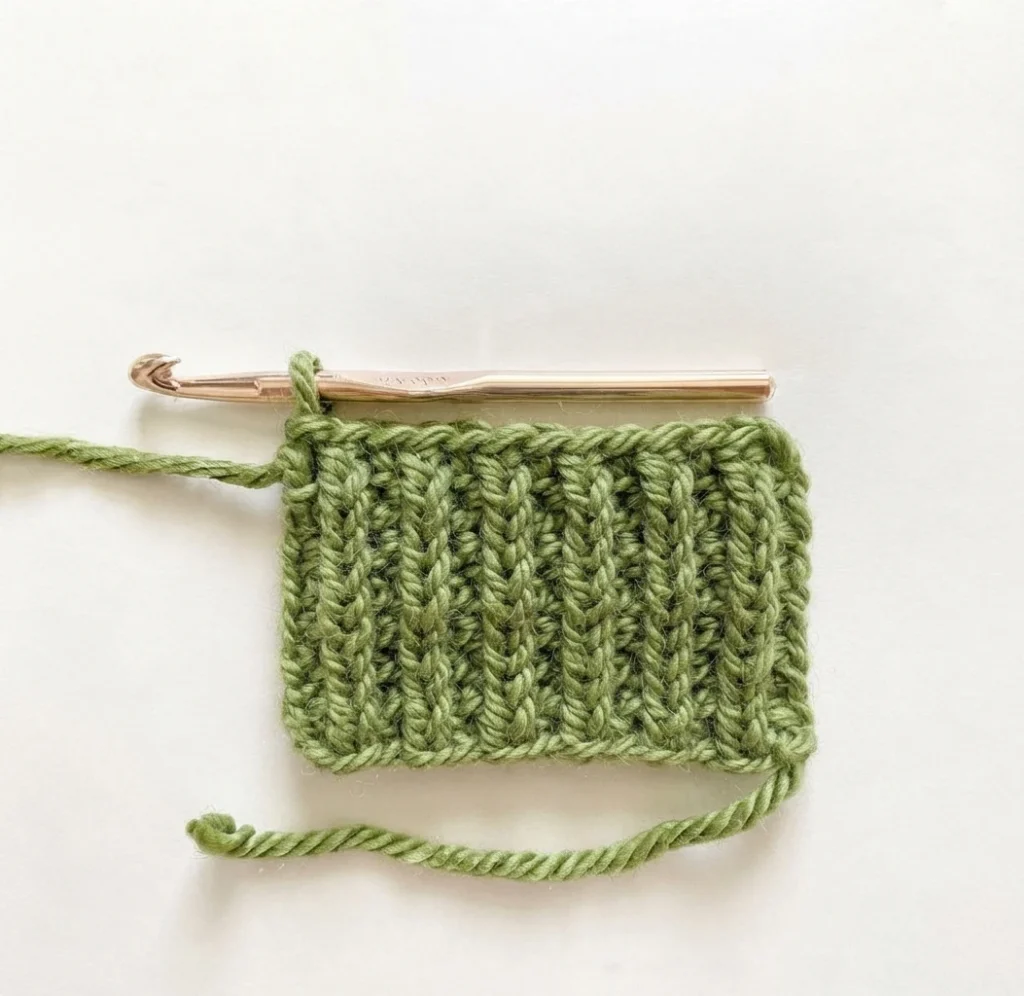
Back post double crochet follows the same idea as its front post partner, but the hook works around the back of a stitch. The two post stitches are often paired, and moving between front and back posts can produce a stretchy, ribbed fabric for sweaters, cuffs, and hats.
12. Puff Stitch
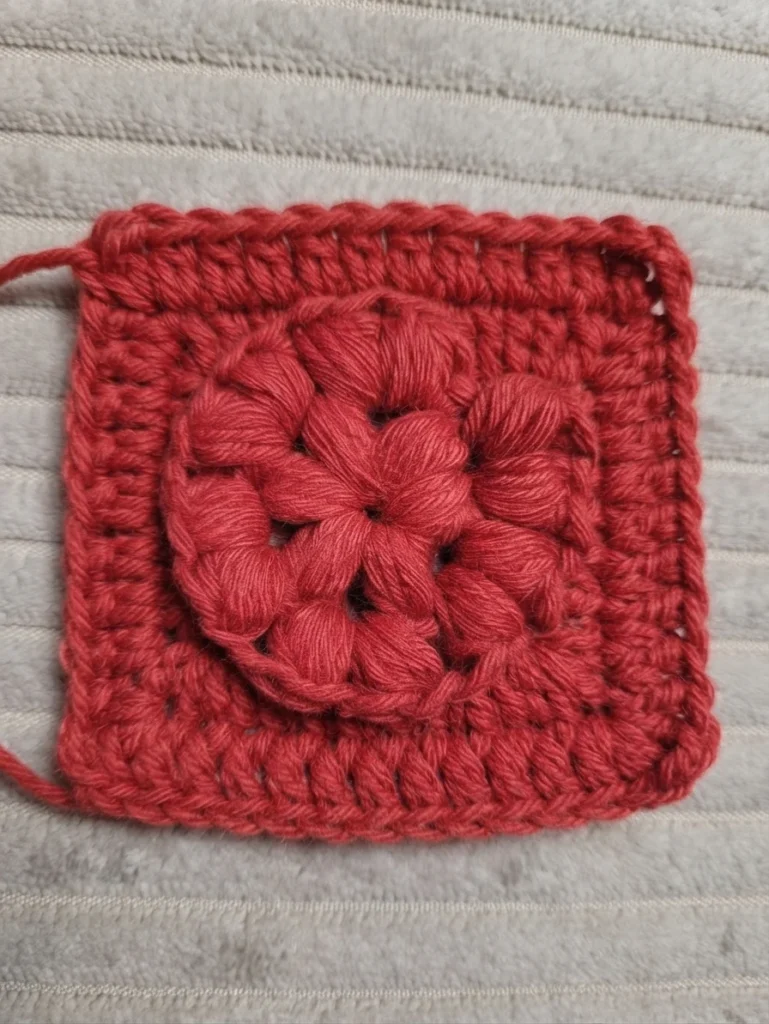
The puff stitch is mainly decorative. It gathers tall loops several times in the same stitch, then joins them together into one soft cluster. The result is a rounded, puffy surface that adds cushion and visual interest as an accent.
13. Bobble Stitch
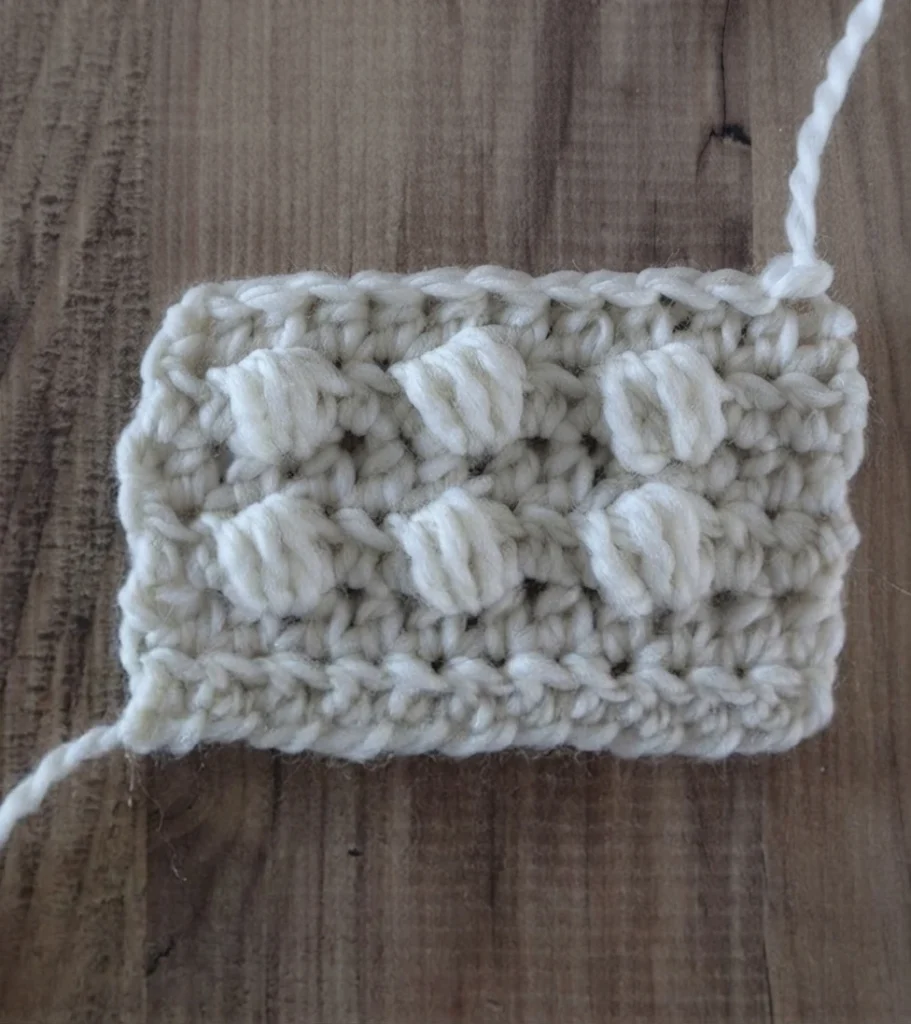
A bobble forms when several unfinished double crochets share one stitch and are finished together as a single unit. The gathered stitches push outward, giving a bold, raised bump. That thick texture suits three dimensional shapes, blankets, pillows, and toys.
14. Popcorn Stitch
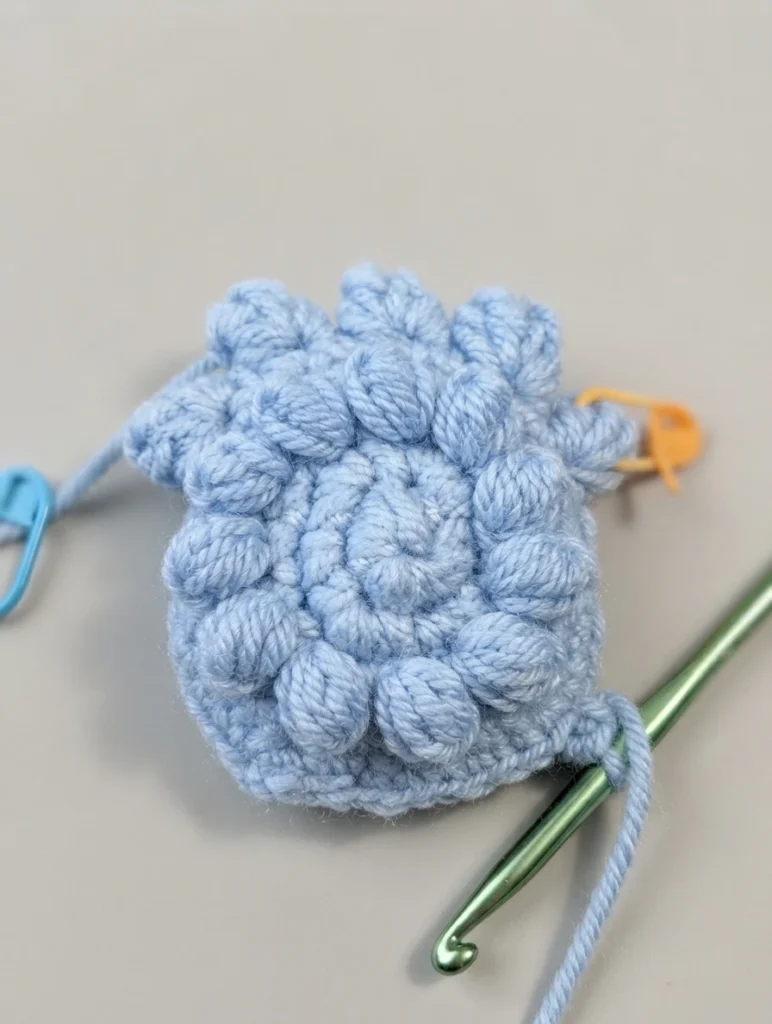
Popcorn stitch differs from bobble in one key way. Where bobble groups unfinished double crochets, popcorn groups several complete double crochets in one stitch, then joins them together. Closing the group pushes stitches forward, creating a rounded, three dimensional bump.
15. Shell Stitch
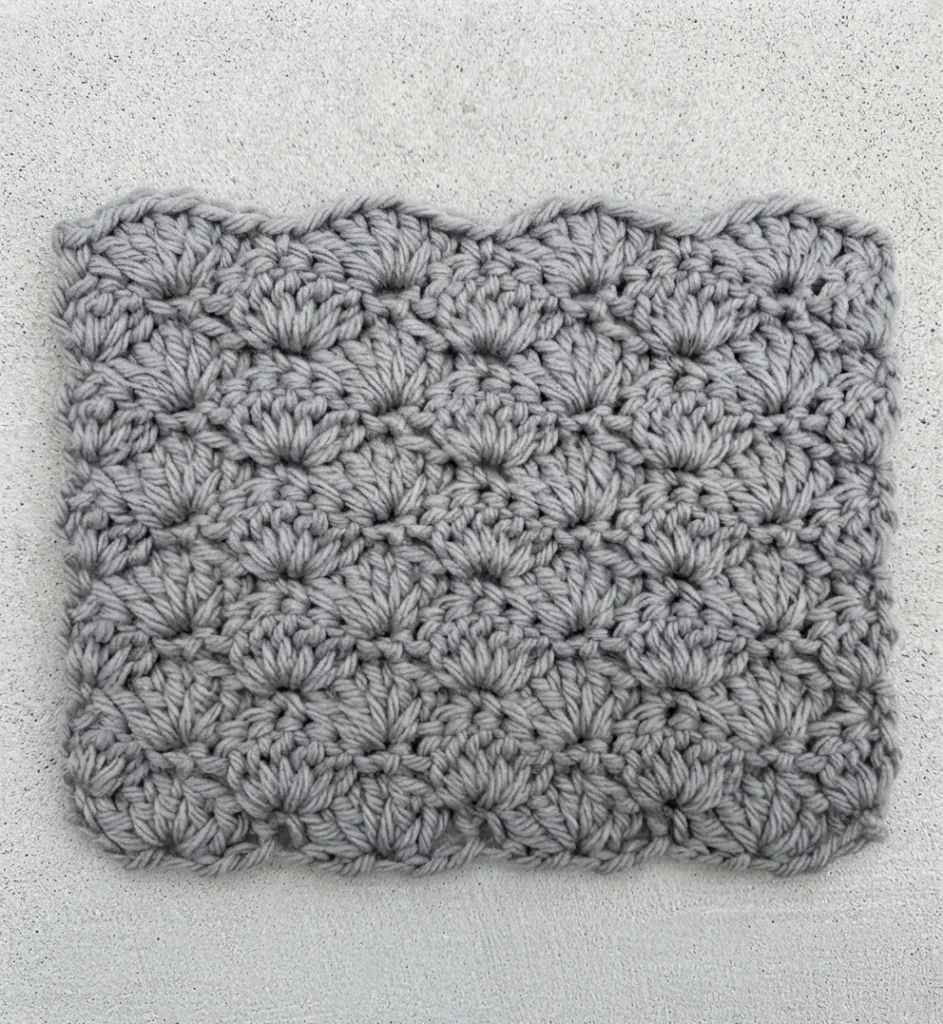
Shell stitch may look fancy, yet it uses only basic beginner stitches grouped together. Working several stitches into the same spot spreads them into a fan like shape. That simple fan can decorate many projects, adding a scalloped edge or an allover motif.
16. Picot Stitch
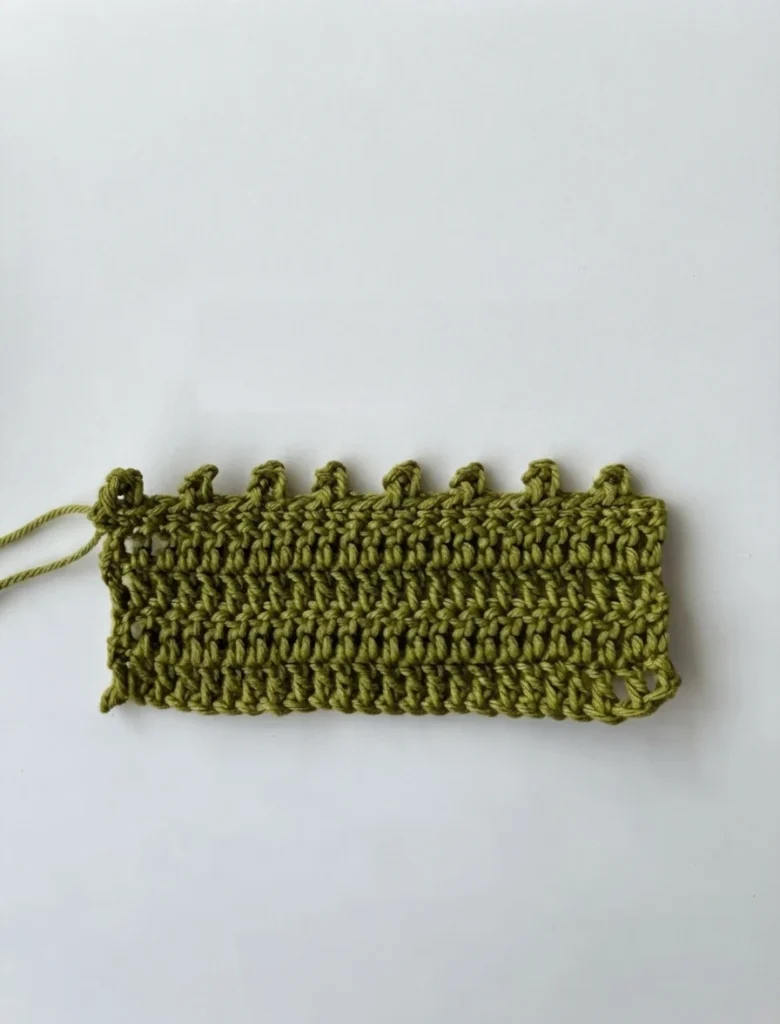
A picot is a small loop made from a few chain stitches and joined back into the same stitch. The tiny loop forms a neat point along an edge, so it is useful for decorating borders on blankets, table mats, coasters, or garments.
17. Waffle Stitch
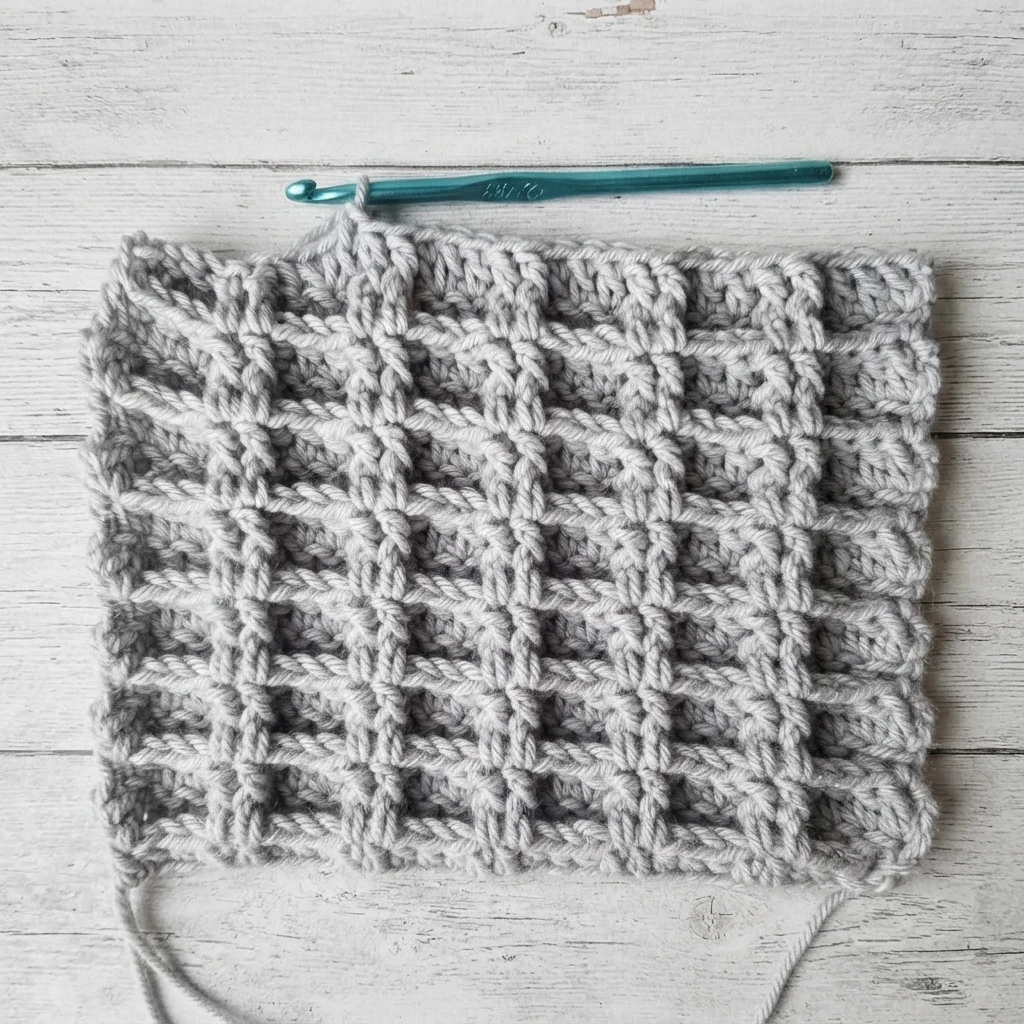
Waffle stitch earns its name from its look, since the finished fabric resembles a waffle. It mainly combines double crochet and front post double crochet to build a grid or honeycomb texture. The raised squares give warmth, thickness, and a playful breakfast inspired appearance.
Skill Levels for Every Popular Stitch
This quick reference groups stitches by how challenging they may feel, so you can plan practice in order. Start with the beginner group, add beginner to intermediate stitches when basics feel steady, then try intermediate textures. Save waffle stitch for later, since the source places it at the advanced intermediate level.
- Beginner: slip knot, chain, magic ring, slip stitch, single crochet, double crochet, and half double crochet.
- Beginner to intermediate: treble crochet and picot stitch.
- Intermediate: double treble crochet, front post double crochet, back post double crochet, puff stitch, bobble stitch, popcorn stitch, and shell stitch.
- Advanced intermediate: waffle stitch.
The full list can look long at first, yet there is no need to memorize every technique at once. Steady practice and growing confidence help methods feel natural over time. These stitches form a foundation, and many more techniques wait beyond them.
Autumn Rhapsody Stitch Sampler Pillow: Pattern Overview
Abigail Crochet Sideways Shawl Feather and Fan Stitch: Pattern Overview