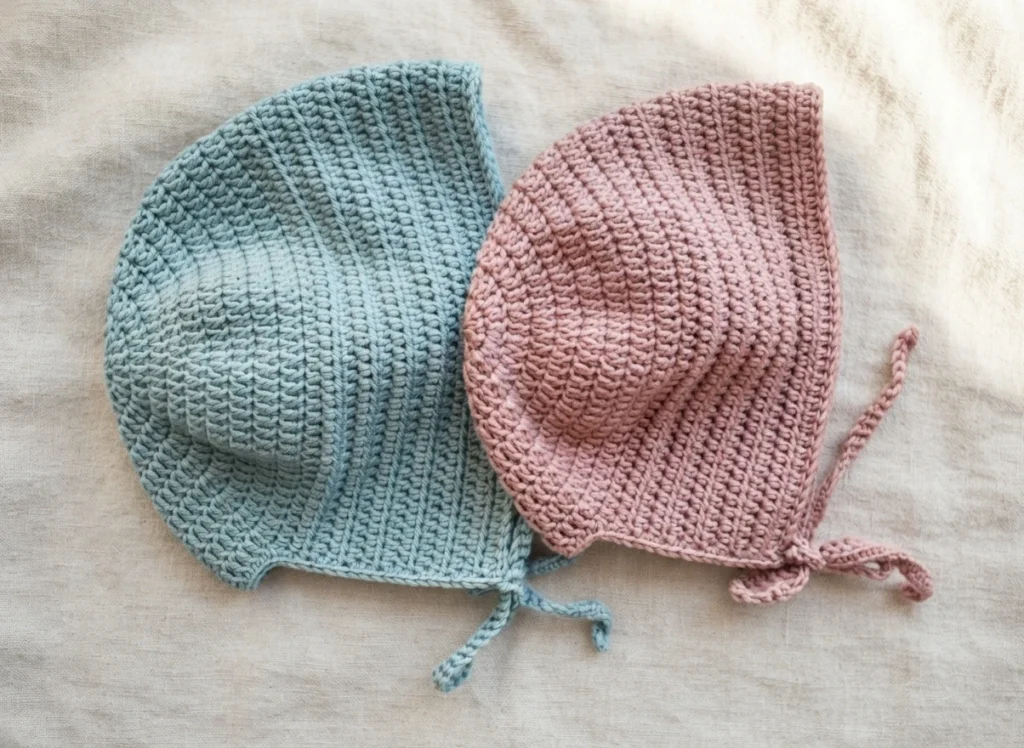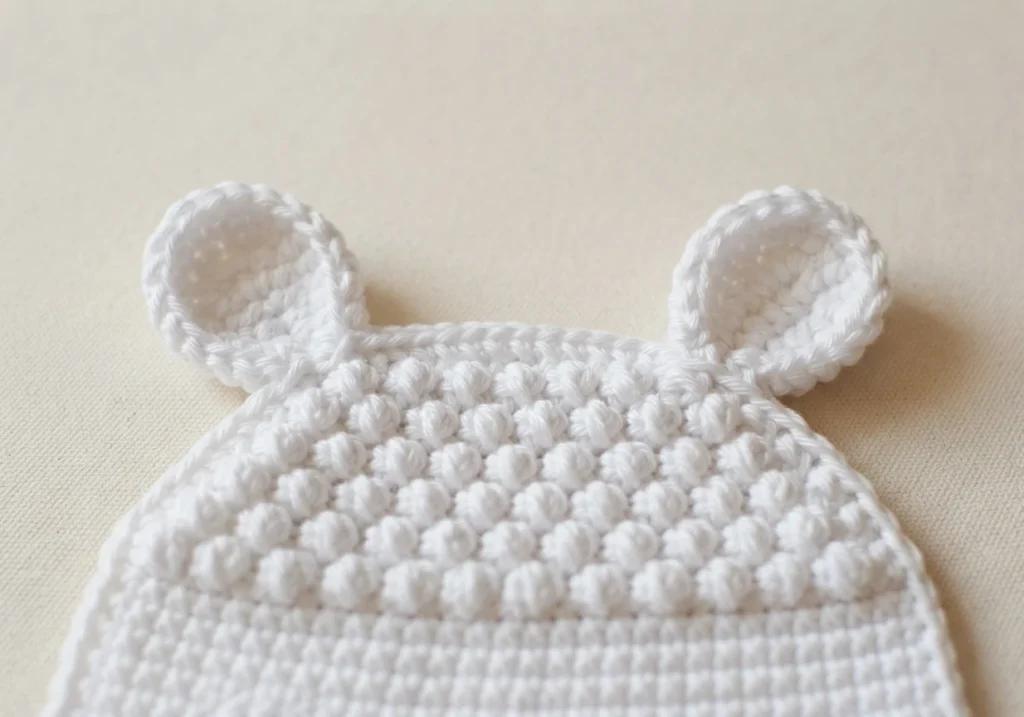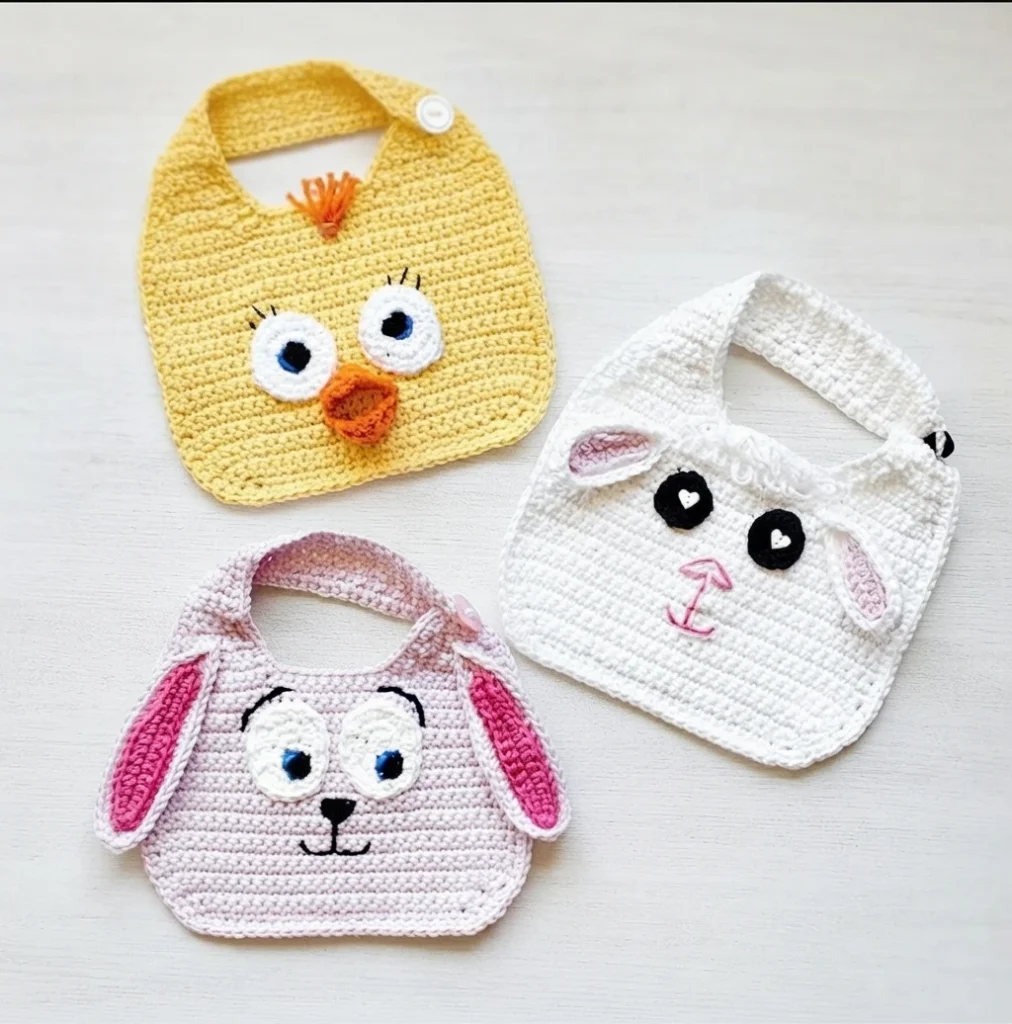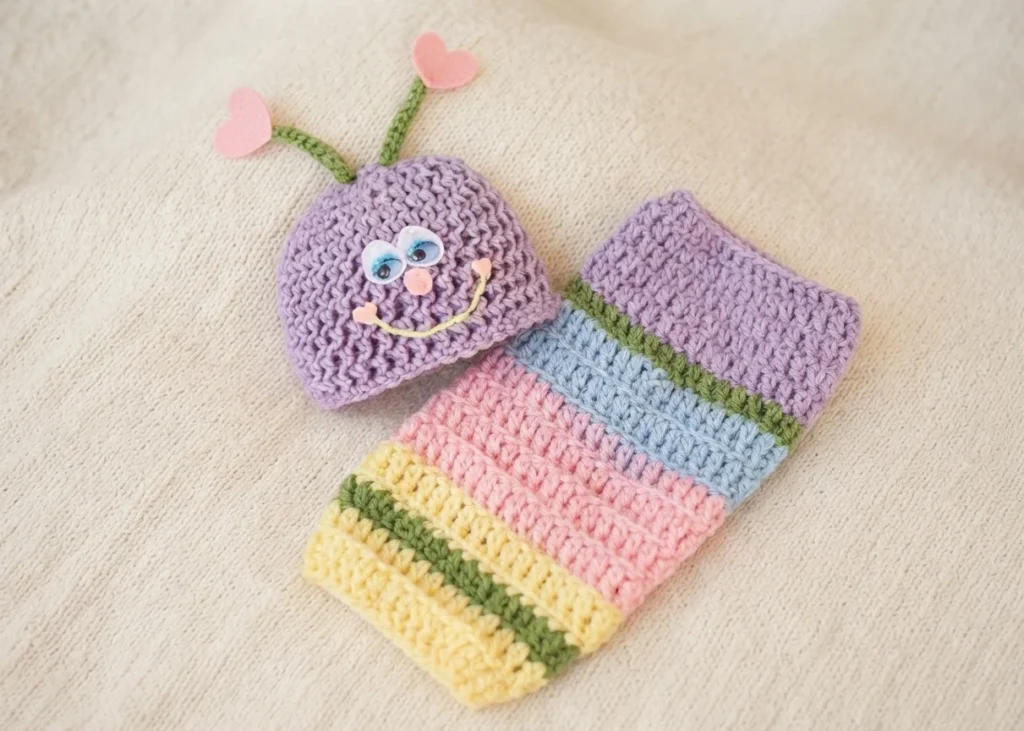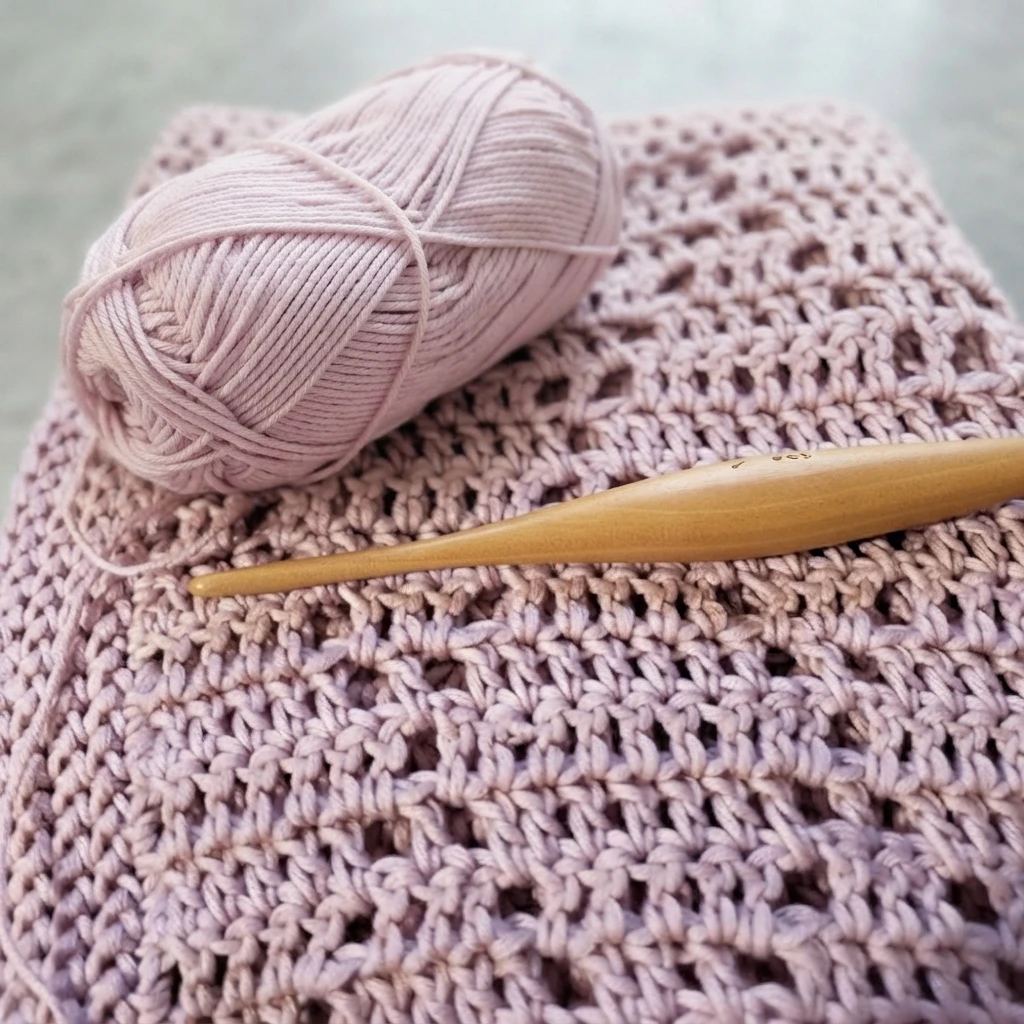
Not sure which yarn to use for your little one? Then this guide on the Best Yarn Brand for Crochet Baby Clothes is for you!
This is a pattern overview, not a full tutorial. It gathers the source’s yarn suggestions for crochet baby clothes, booties, and sneakers, then explains which qualities matter for each use. For the complete original guide, see Original designer’s pattern and instructions.
The source frames yarn as the make-or-break choice for baby crochet. Even neat stitches and good fit can disappoint if the fiber feels scratchy, looks stiff, or loses its shape after washing. That is why this overview focuses on softness, washability, durability, and comfort rather than stitch diagrams.
Choose yarn by job: daily-wear pieces need comfort and easy washing, while special-occasion booties can favor softness and a refined finish.
Because this is an overview, it does not rank every yarn as universally best. Instead, it groups the source’s picks by garment type: soft, washable yarns for clothes; gentle but sturdy options for booties; and more structured yarns for sneakers. That grouping helps readers match fiber to the way a baby will actually wear the item. The source does not list hooks, needles, markers, or other notions, so this remains a yarn-selection overview rather than a supply checklist.
Best Yarn Brand for Crochet Baby Clothes
Different baby garments ask for different yarn behavior. The source uses rompers as an example of everyday clothing: the yarn should let a baby move freely and stay comfortable through daily wear. The three options below are positioned as baby-clothes yarns, each with a different balance of softness, washability, and price.
The emphasis is on movement and regular comfort rather than decoration alone. A romper yarn that feels good at first touch still needs to stay soft after washing, since baby clothes are laundered often. The source therefore favors fibers that combine a gentle hand with practical care.
1. Bernat Softee Baby Yarn
Bernat Softee Baby is described as an acrylic yarn created with baby skin in mind. Its light hand makes layering easier without adding bulk, so a garment can feel less restrictive during movement. Because the source calls it machine washable, it is framed as a practical choice for the spills and diaper leaks that come with everyday baby life.
2. Lion Brand Babysoft Yarn

Lion Brand Babysoft is an acrylic-nylon blend presented as both soft and sturdy. The source says it holds its shape through repeated washing, which matters for garments that will be laundered often. Its price is positioned as sensible for makers producing several items or gifts, making it a workhorse option rather than a luxury pick.
3. Paintbox Yarns Baby DK
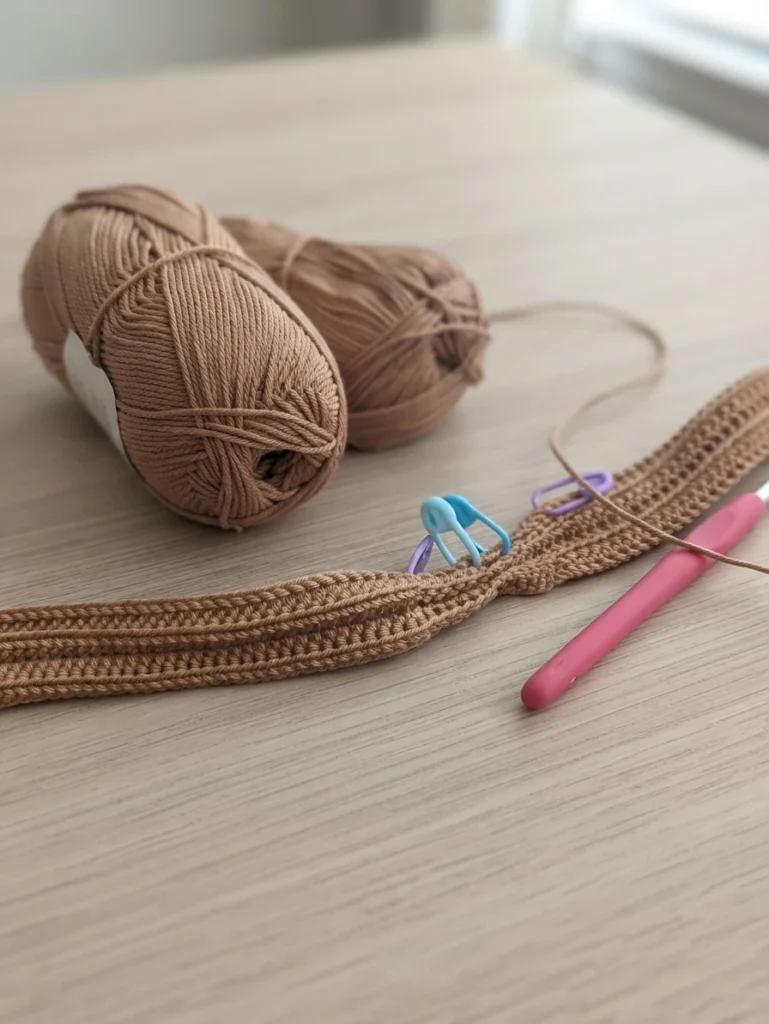
Paintbox Yarns Baby DK is the higher-priced option in this group. Its DK weight is linked to clear stitch definition, so textured or detailed designs remain visible. The source also highlights a broad color range beyond basic pastels, giving makers more room for playful or coordinated baby palettes.
Best Yarn Brand for Crochet Baby Booties
Baby booties need a careful compromise. The source says tiny feet deserve softness, while crib shoes still need enough sturdiness for repeated use. Durable fibers with a smooth finish are recommended, and the three yarns below show different ways to balance comfort, toughness, and care.
The right bootie yarn also depends on intended use. Everyday pairs benefit from fibers that tolerate frequent washing, while special-occasion pairs can prioritize a softer, more luxurious touch. Keeping that distinction in mind prevents choosing a delicate yarn for daily wear or a merely durable yarn for a keepsake gift.
1. Debbie Bliss Baby Cashmerino
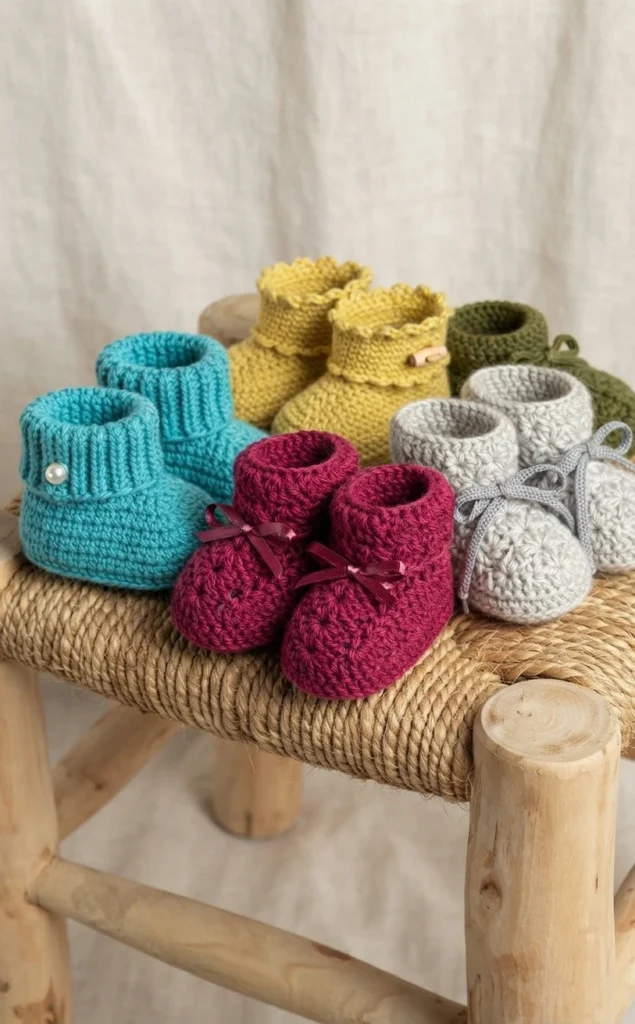
Debbie Bliss Baby Cashmerino is a merino-cashmere blend with a plush, heirloom character. The source connects it to crisp stitch detail and gift-quality booties rather than hard-wearing daily pairs. It needs gentler washing care, so reserve it for special footwear that will be worn lightly and laundered with attention.
2. Red Heart Baby Hugs
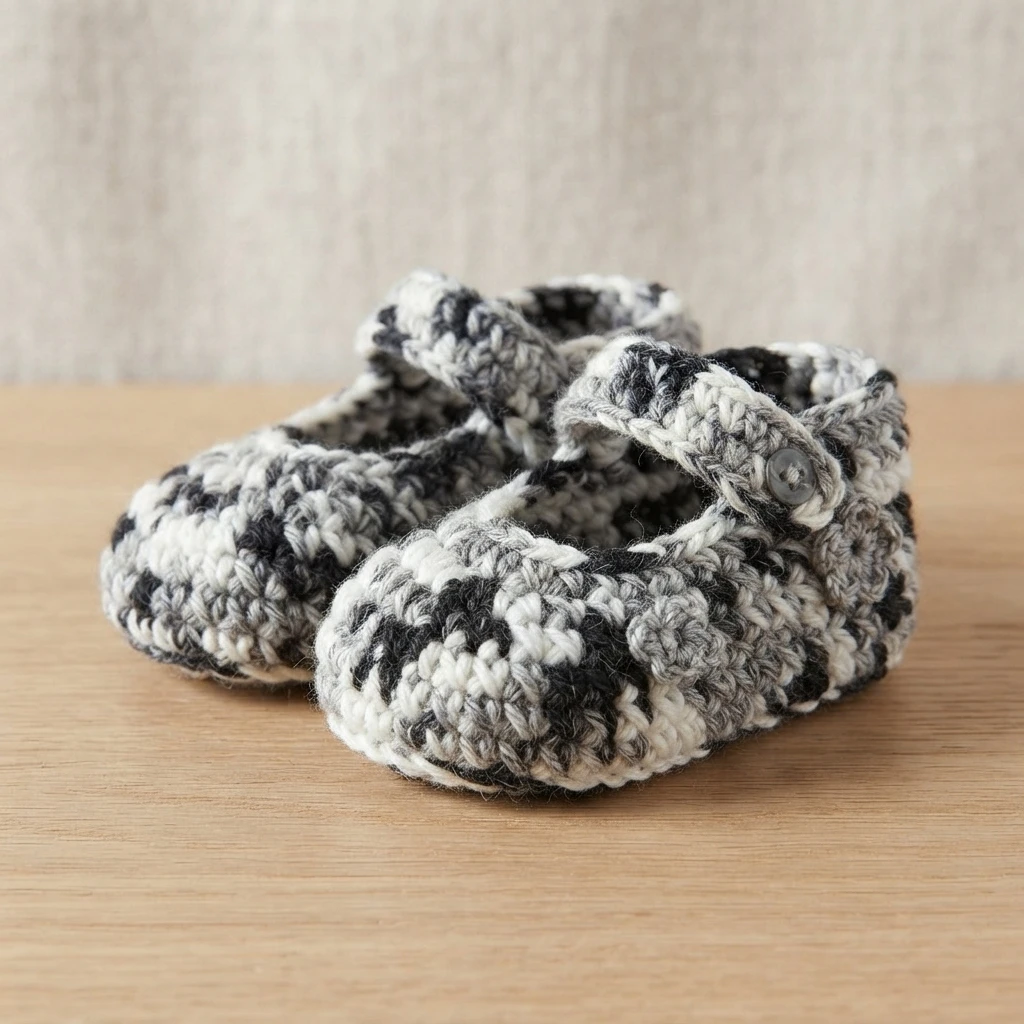
Red Heart Baby Hugs is designed specifically for baby projects and is presented as a softer option for little shoes. The source notes multiple color choices and all-day comfort for small feet. Machine washability is another practical advantage, reducing worry about frequent laundering.
3. Premier Basix Baby Yarn
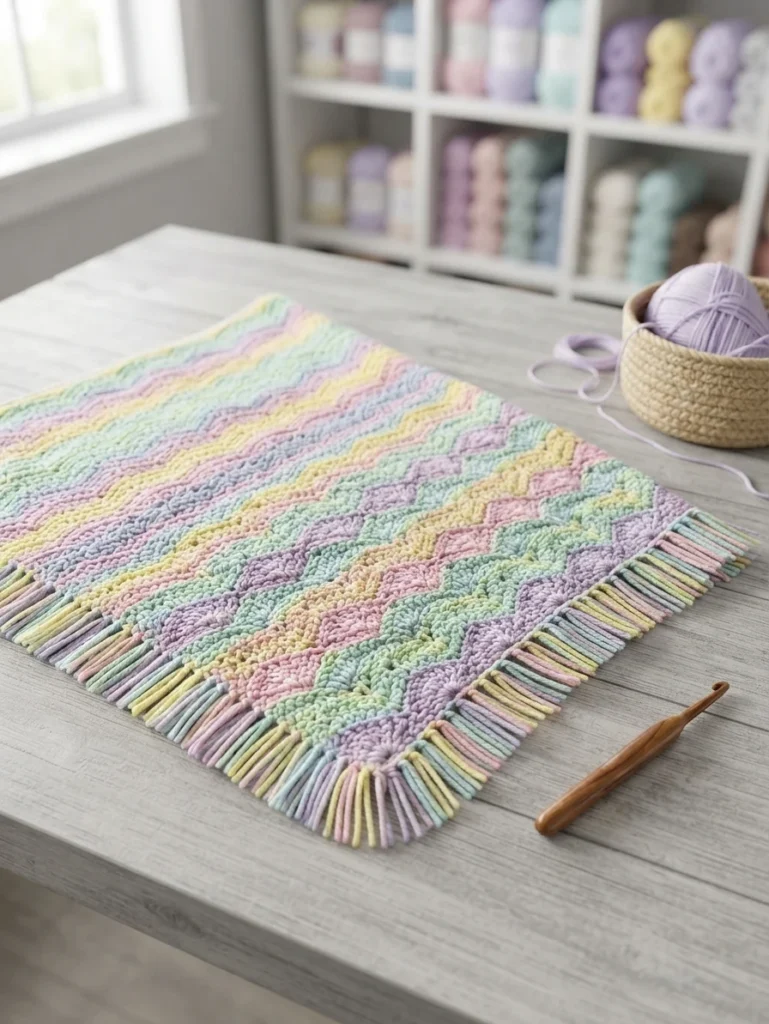
Premier Basix Baby Yarn is framed as a value-focused choice. The source describes it as easy to work with for newer crocheters, durable through repeated washing, and forgiving of slightly uneven stitches. That combination makes it useful for first booties, practice pairs, or gifts where budget matters.
Best Yarn Brand for Crochet Baby Sneakers
Crochet baby sneakers need structure as well as softness. The source says they should keep a defined shape over time while remaining comfortable against delicate skin. That requirement points toward yarn with more body than a typical romper yarn, without becoming harsh.
Structure should not mean stiffness. The goal is a yarn that holds the sneaker silhouette through wear and washing, yet still feels kind against a baby’s foot. The two options below reflect different routes to that balance: polished cotton and a cotton-acrylic blend.
1. Schachenmayr Catania
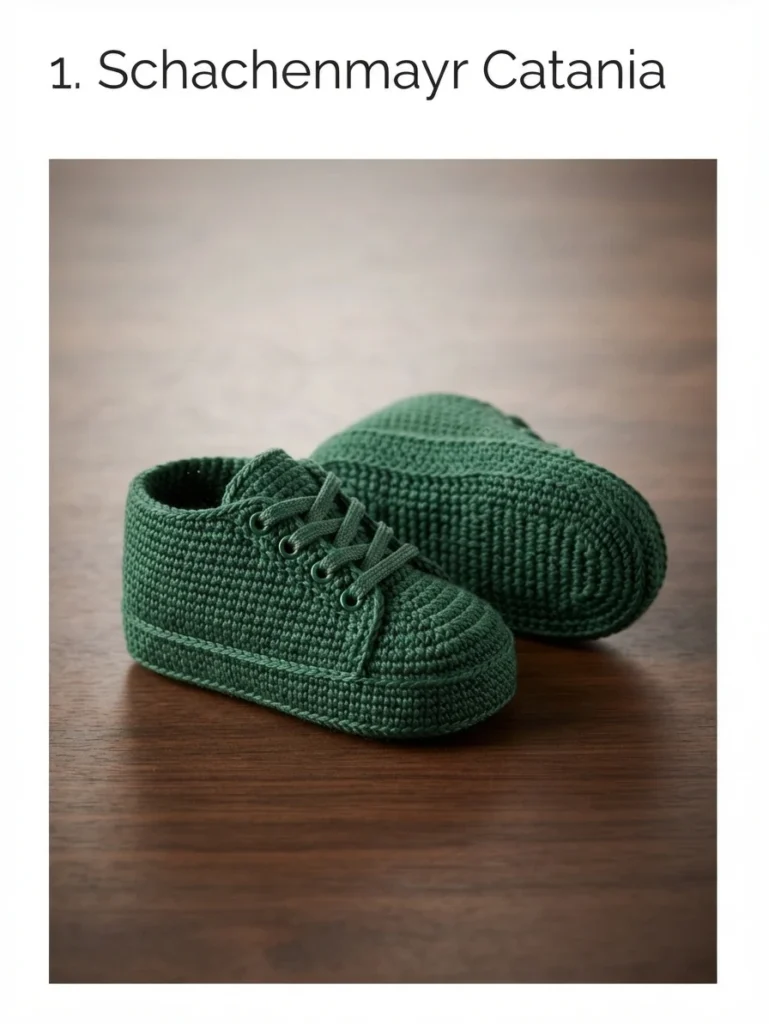
Schachenmayr Catania is the source’s polished cotton pick for baby sneakers. The write-up credits it with a tidy, ready-to-wear appearance and a wide selection of vivid colors. Those colors can coordinate with an outfit or supply a bright accent. The polished surface helps sneaker details look intentional, while the cotton hand keeps the style suitable for small feet.
2. YarnArt Jeans
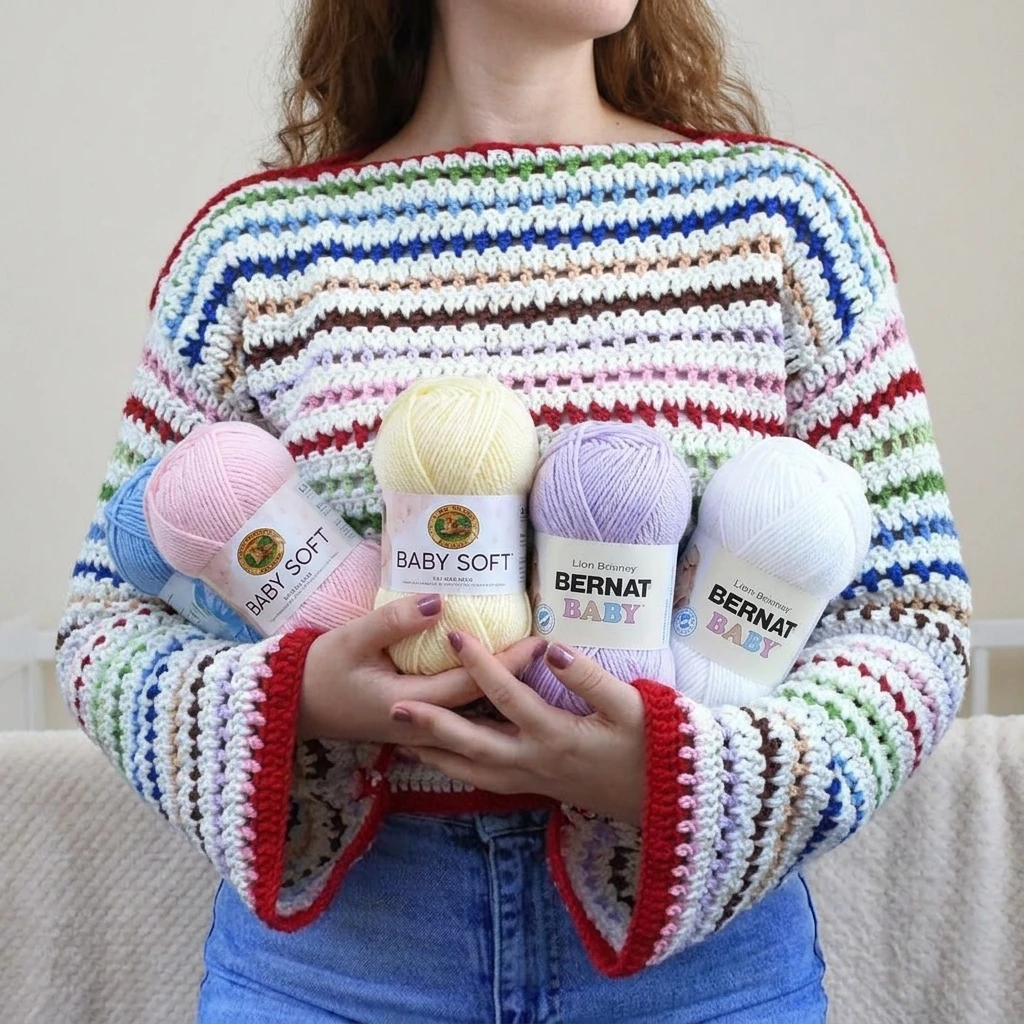
YarnArt Jeans is described as a cotton-acrylic blend that balances flexibility with structure. The source calls it easy to work with and comfortable for year-round wear. It is also presented as durable enough for crawling and first steps. The closing message is that good yarn helps simple stitches become soft, durable pieces, whether the project is a full outfit or a small pair of booties.
Treat the list above as a starting point, not a shopping mandate. Availability, color preference, budget, and a baby’s sensitivity can all change the best choice. When uncertain, compare the source’s garment-specific notes rather than assuming one yarn suits every baby project.