Project introduction
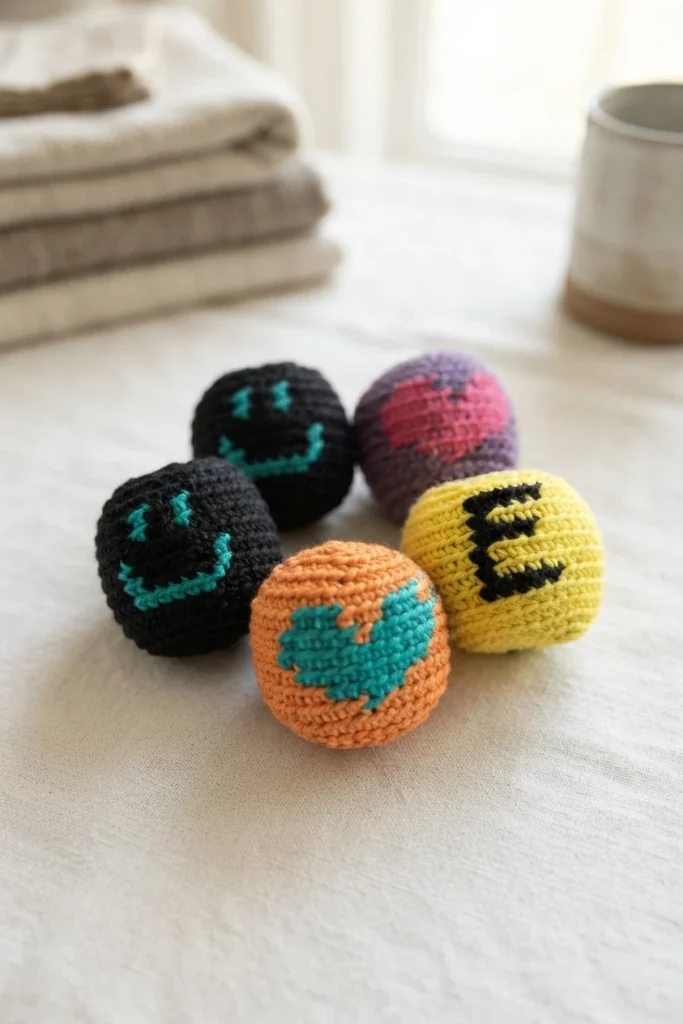
This pattern overview introduces the Smiles and Hugs Footbag, a small crochet ball for play, fidgeting, and warming. It is not a full tutorial. For complete designer instructions, charts, and finishing details, follow this link: Original designer’s pattern and instructions. The design uses cotton yarn, rice filling, and simple colorwork.
Before you begin…
For the full pattern, use the designer page. The designer also offers an ad-free PDF through Ravelry and Etsy shops. That PDF is a paid format and includes the alphabet letter graphs. The heart and smiley graphs are shown with the designer instructions, while the letter set belongs with the PDF.
What is a “Footbag”?

A footbag is a small fabric pouch or sack that players pass by kicking with a foot or tapping with a leg. Many know it as hacky sack, a trademarked name. The source describes common fillings as pellets or sand. Footbags are also popular for juggling and fidget play.
About the Smiles & Hugs Footbag
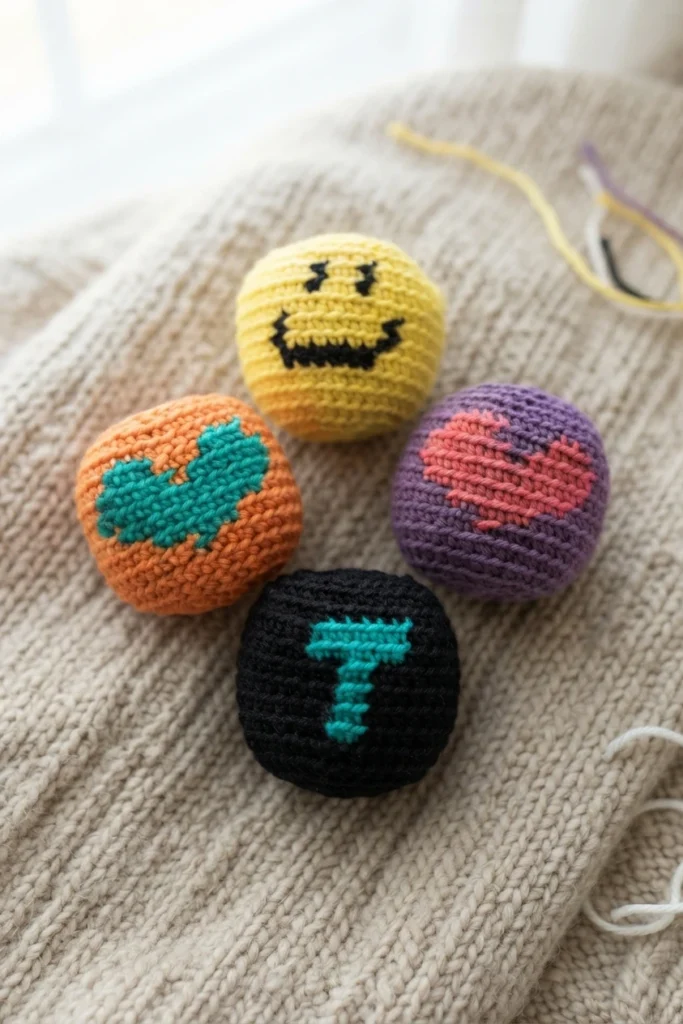
The Smiles and Hugs Footbag is a crochet ball filled with rice, created as a Valentine’s Day gift for the designer’s children. With cotton yarn and rice, both microwave-able, it can serve as a hand warmer. 20 seconds of warming keeps it warm for about 10 to 15 minutes. It includes heart, smiley, and alphabet graphs, with colorwork covering only 6 rows.
About the Yarn
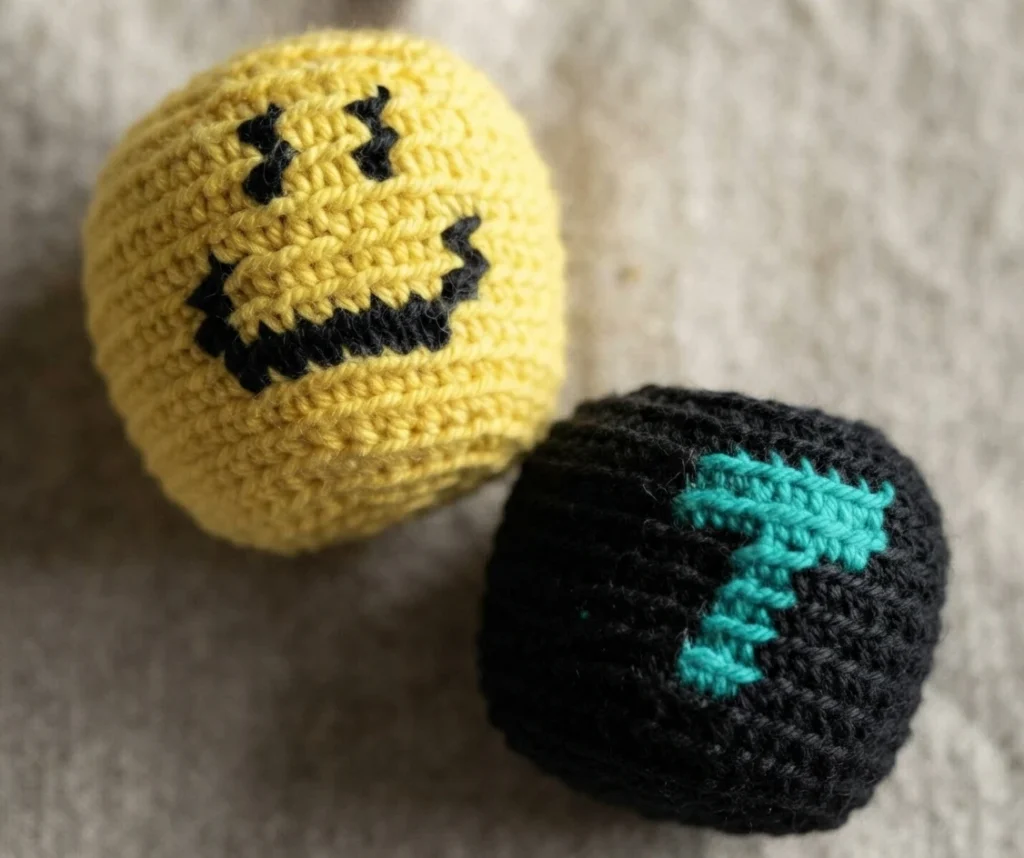
This project calls for worsted weight cotton yarn. The source uses Dishie Yarn from WeCrochet, described as 100% cotton, durable, available in many colors, and affordable. Because the ball needs only a small amount of yarn, it suits scraps. For a substitute, the source recommends 100% cotton yarn in CYC Weight 4, noting cotton holds up better than most materials.
Filling your Footbag
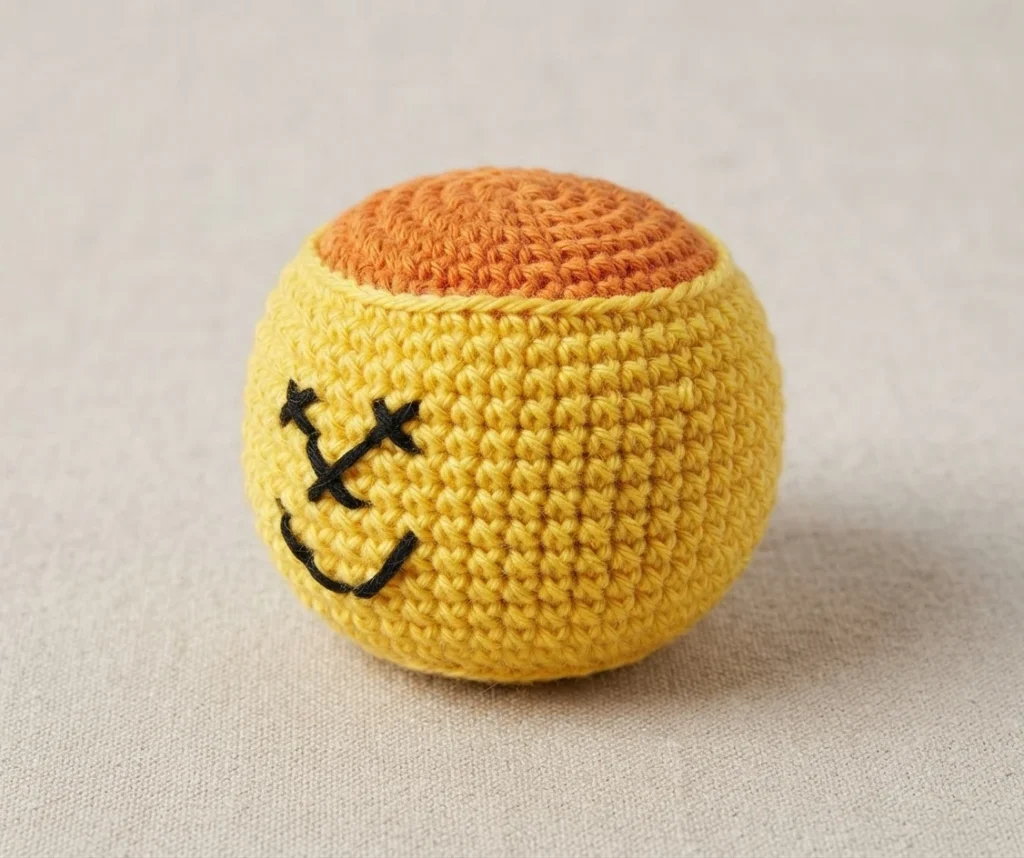
The filling is a few tablespoons of uncooked rice, used instead of pellets or sand. The reason is microwave safety. If you choose a different filling, do not microwave it without researching safety. An inner lining is optional but recommended to keep rice from escaping. After the liner is filled and closed, it is placed inside.
You Might Also Like…
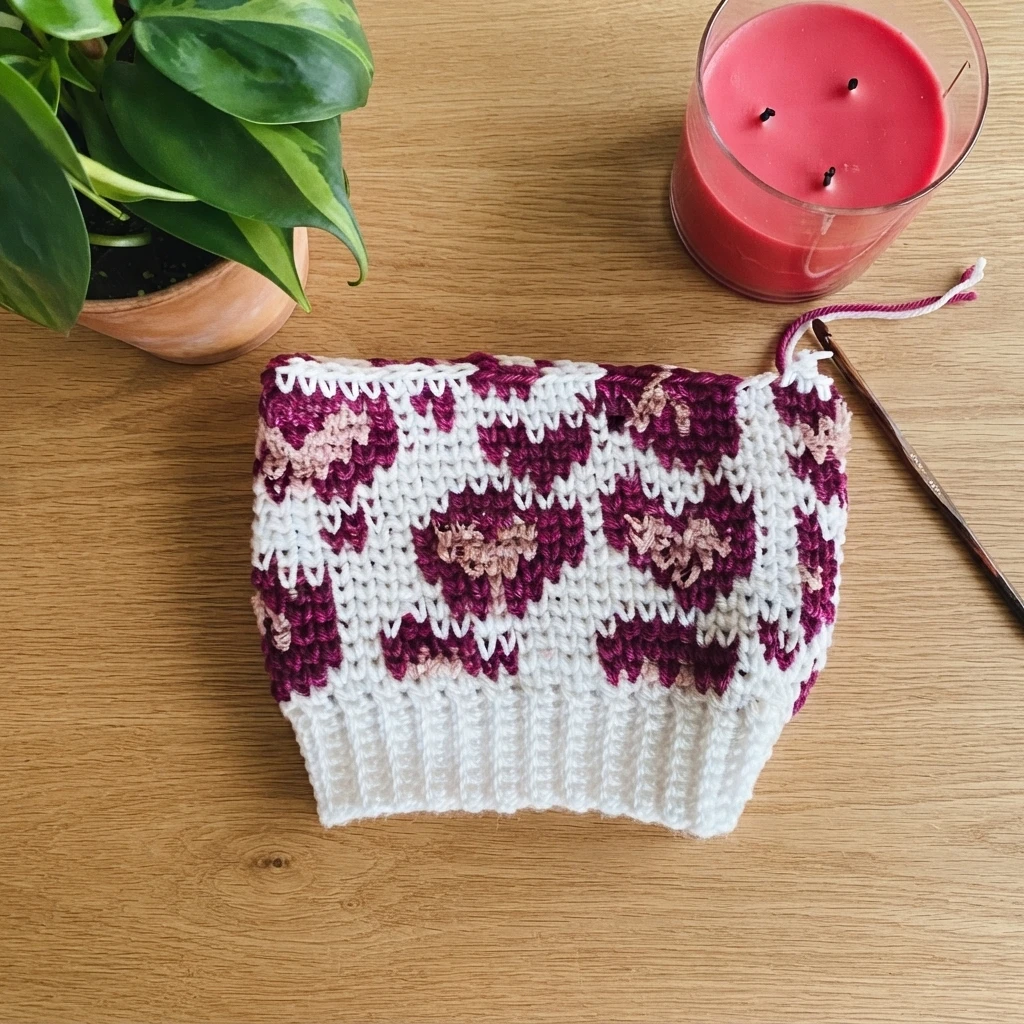
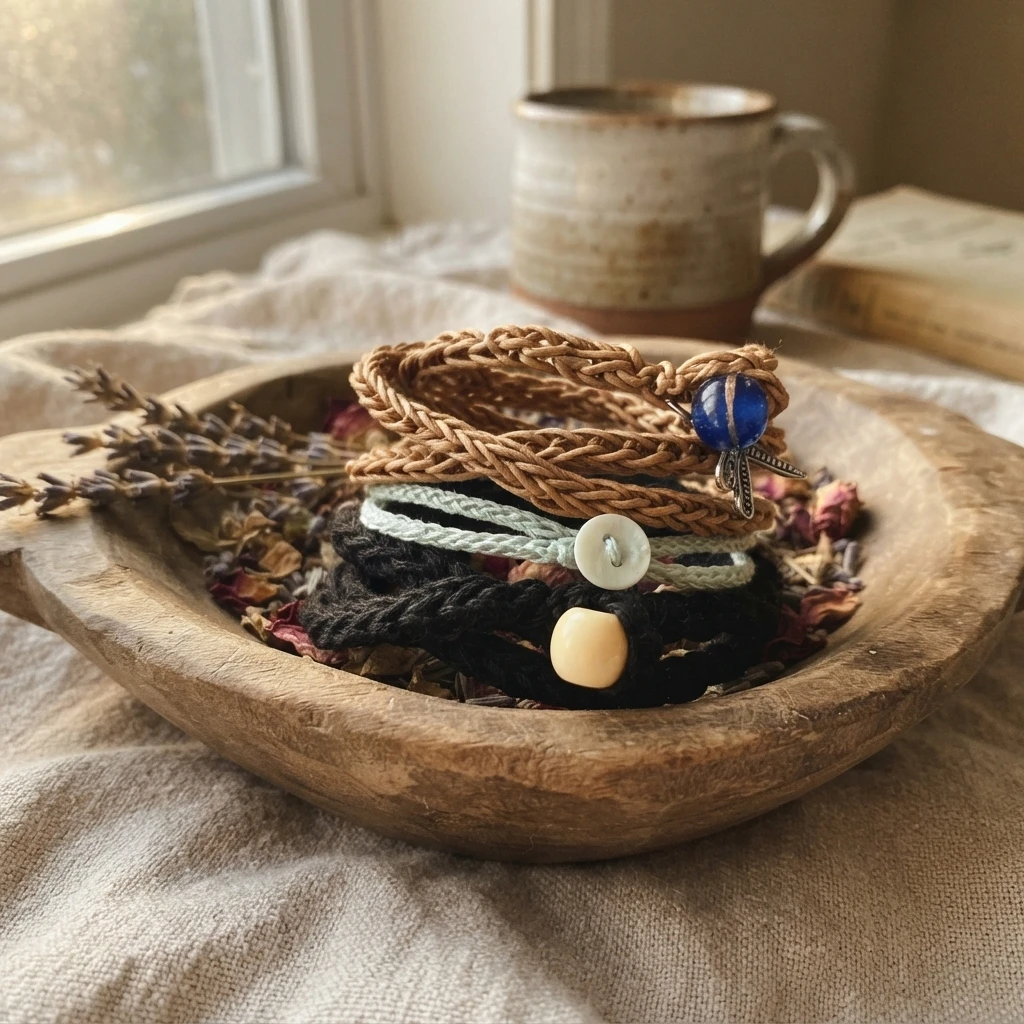
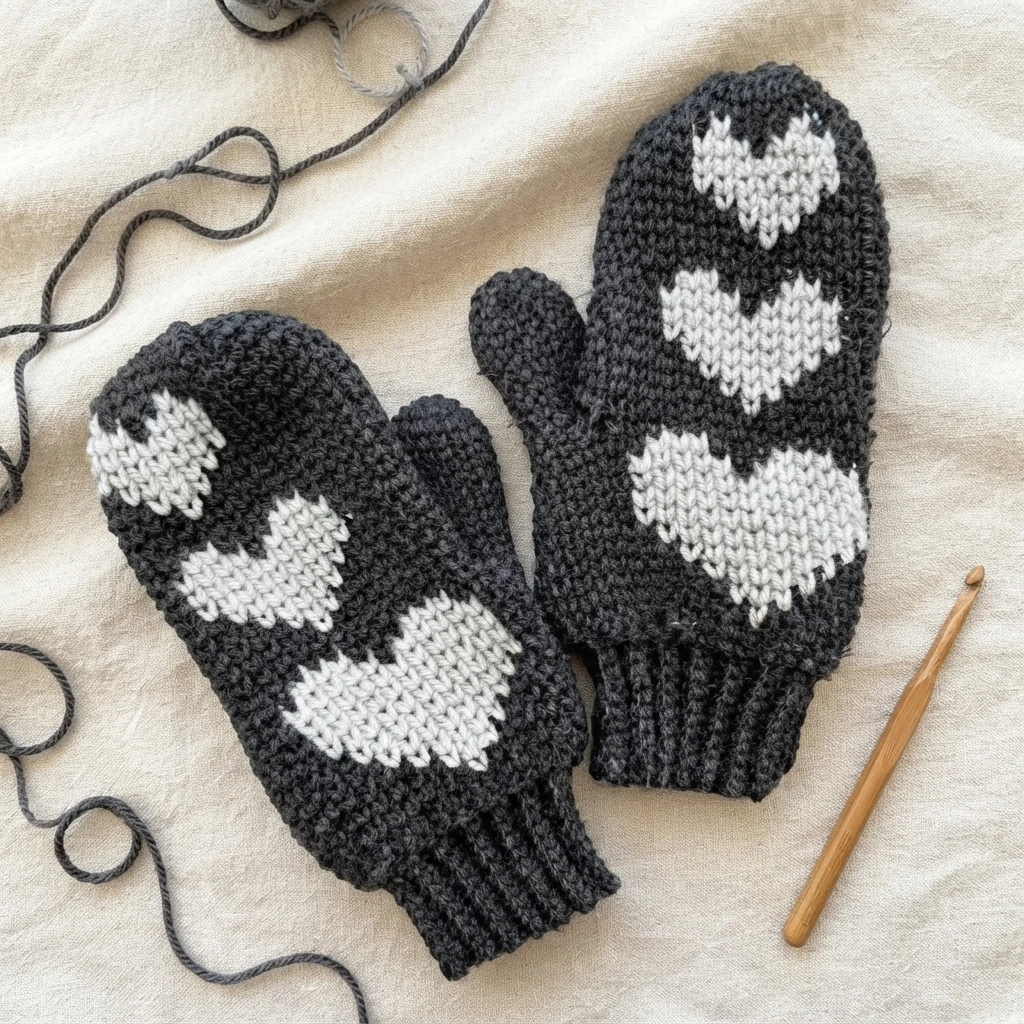
If the smiles and hugs theme appeals to you, the same blog offers other lovable gift ideas. The source names The Love Leopard Beanie, Crochet Wrap Bracelets, and Sweetheart Mittens as related patterns to explore. These titles are listed as inspiration for more heartfelt gifts, rather than as part of this footbag project.
Materials Needed
Gather the full checklist before you begin. The list covers yarn in two colors, tools for crochet and sewing, a liner option, and rice for filling. Having markers and needles ready helps you track the round and close the liner cleanly.
- Main color: 25 yds of Dishie Cotton, or another 100% cotton yarn
- Contrasting color: 10 yds of Dishie Cotton, or another 100% cotton yarn
- Size 3.5mm crochet hook
- Tapestry needle
- Stitch markers
- Scissors
- Liner: a cotton sock, or a 6 inch by 6 inch square of cotton fabric
- Sewing needle
- Thread
- Filling: 2-3 Tbsp of rice, or another stuffing material
Stitches Used
The pattern uses US crochet terms. The source lists a short set of abbreviations for the start, basic stitch, and back loop shaping. MC means Magic Circle, Ch means Chain, and Sc means Single Crochet. Sc BLO Inc means Single Crochet in Back Loop Only Increase, while Sc BLO Dec means Single Crochet in Back Loop Only Decrease.
Skill Level
The source rates this project at Experienced Beginner. That level fits makers who already feel comfortable with basic stitches and a simple chart. The continuous round, markers, and short colorwork band keep the work approachable, while back loop shaping and color changes add gentle challenge.
Finished Measurements
The finished footbag measures 2.25 inches wide by 2.25 inches high. That compact size fits easily in a palm, pocket, or small gift bag. Because the ball is worked in a continuous round with back loop texture, the exact feel may vary slightly with yarn and tension.
Notes
This pattern is worked in a continuous round, with a marker for the first stitch. Colorwork follows a graph in 18-stitch increments. You can work two graphs for each sack. For two graphs, add a marker in the 19th stitch to mark the split. The sack uses cotton and rice, and other fillings must be microwave safe.
Increasing section
The increasing section starts the ball in the main color. It opens with a magic circle and a chain, then widens through rounds of single crochet in the back loop only, using increases to shape the lower curve. A final even round steadies the width before colorwork. Follow the designer instructions for the exact sequence.
Tapestry section

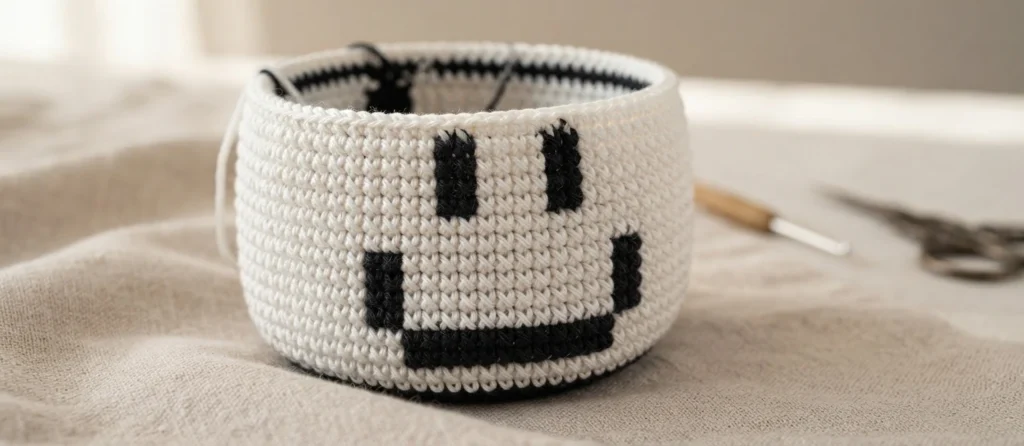
The tapestry section adds the picture over 6 rounds of single crochet in the back loop only. Each square stands for one stitch, with white for main color and black for contrasting color. Begin at the first row and column, working one stitch per square. The stitch before a color change uses the Changing Colors technique. When the graph ends, you can begin a second graph for the back side.
Filling
Fill the footbag before you begin decreasing. For a microwaveable finished piece, the source notes that cotton and rice are needed. A liner is optional but recommended to keep rice contained. Without a liner, rice can go directly into the working piece. Other fillings must not be microwaved unless verified microwave safe.
Sock Method
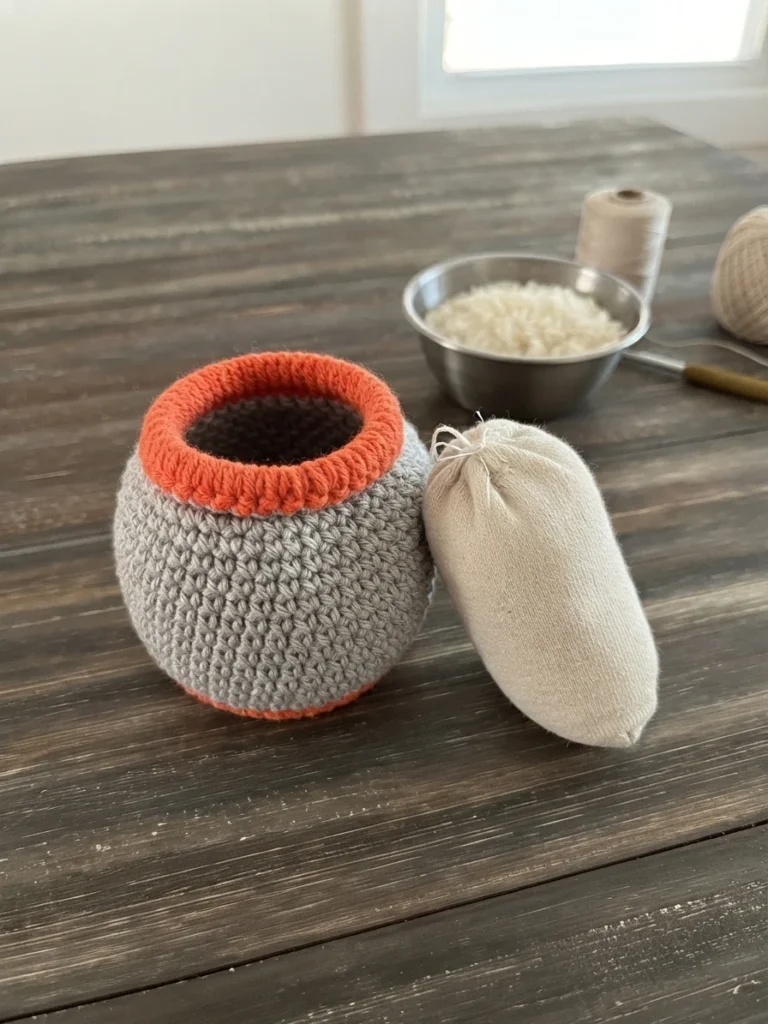
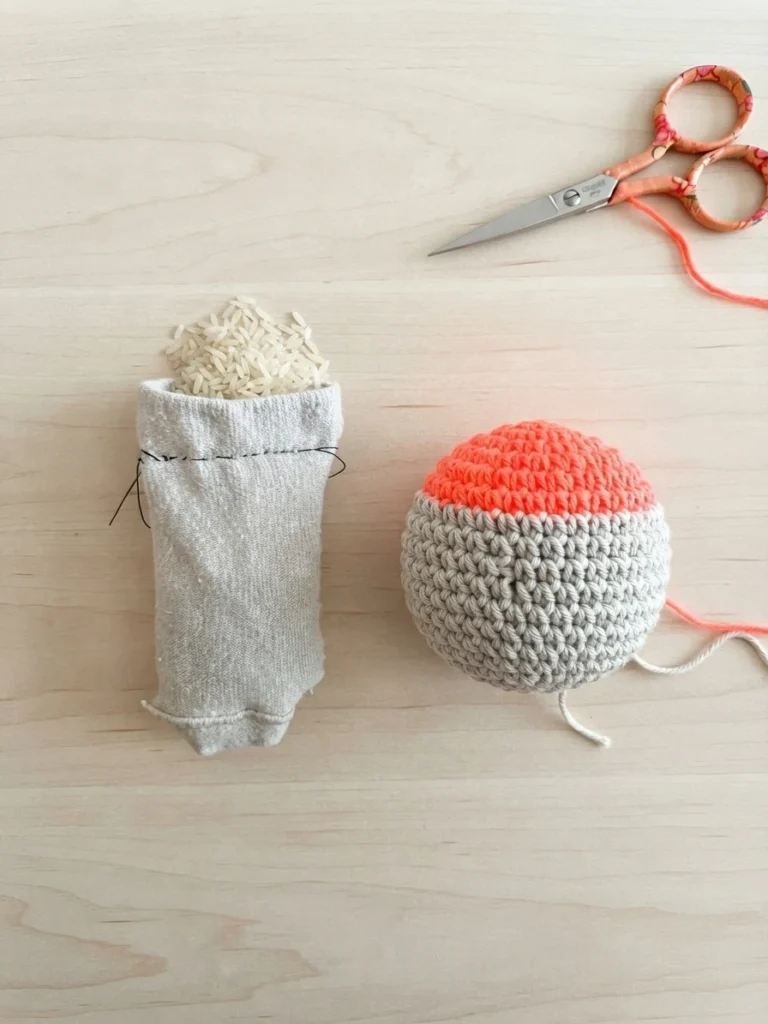
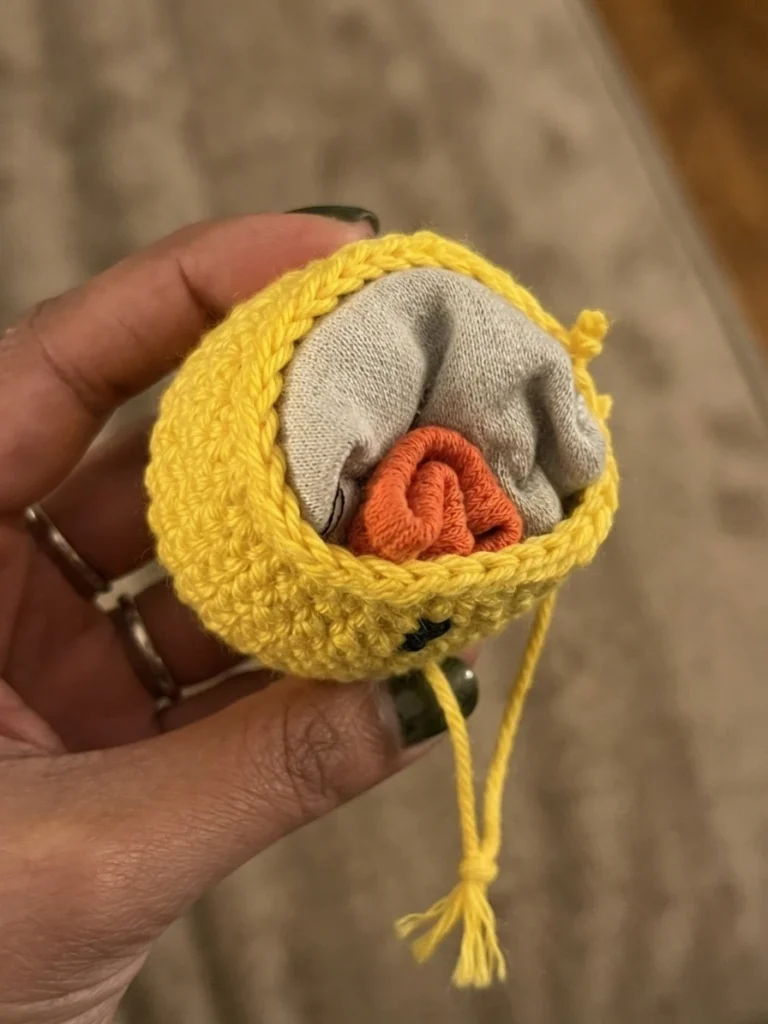
For the sock method, fill a small cotton sock with approx 2-3 tablespoons of uncooked rice. Use a sewing needle and thread to stitch across the sock and enclose the rice. Cut off excess sock material, then place the filled sock into the center of the footbag. After placing it, continue to the decreasing section.
Cotton Fabric Method
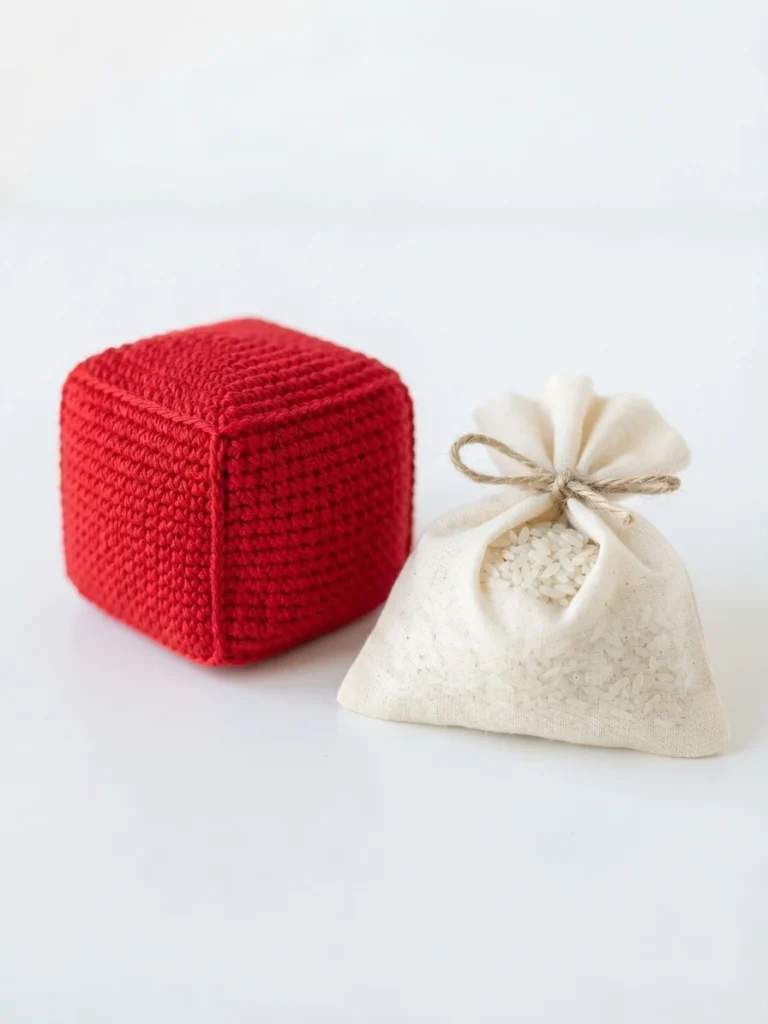
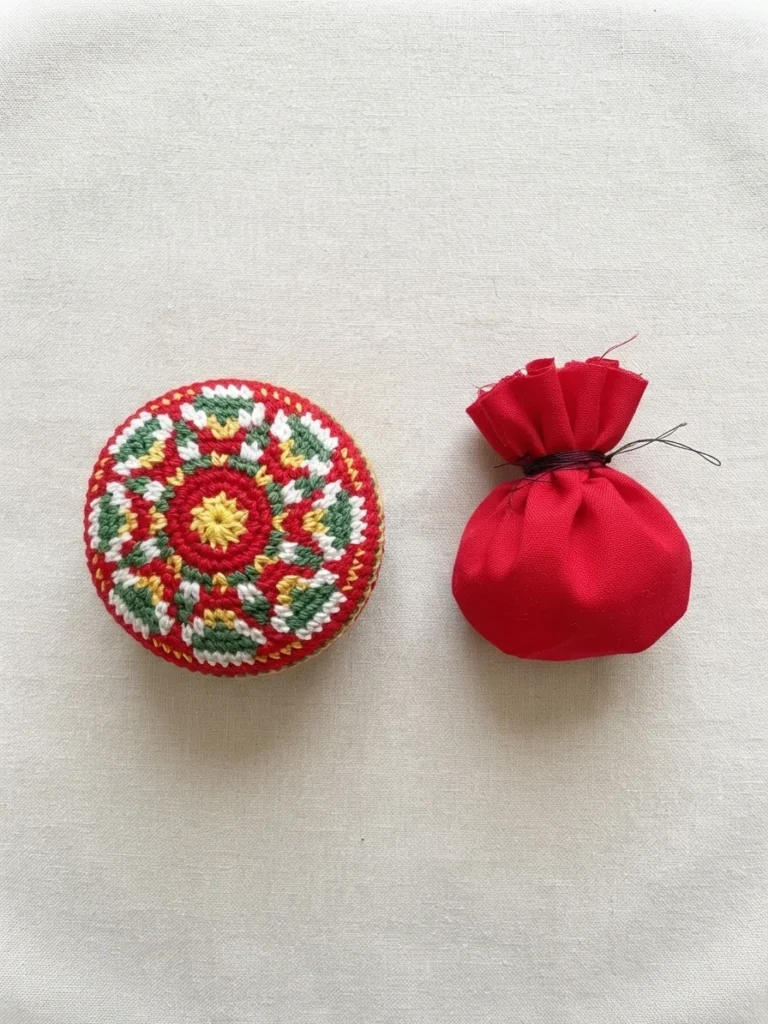
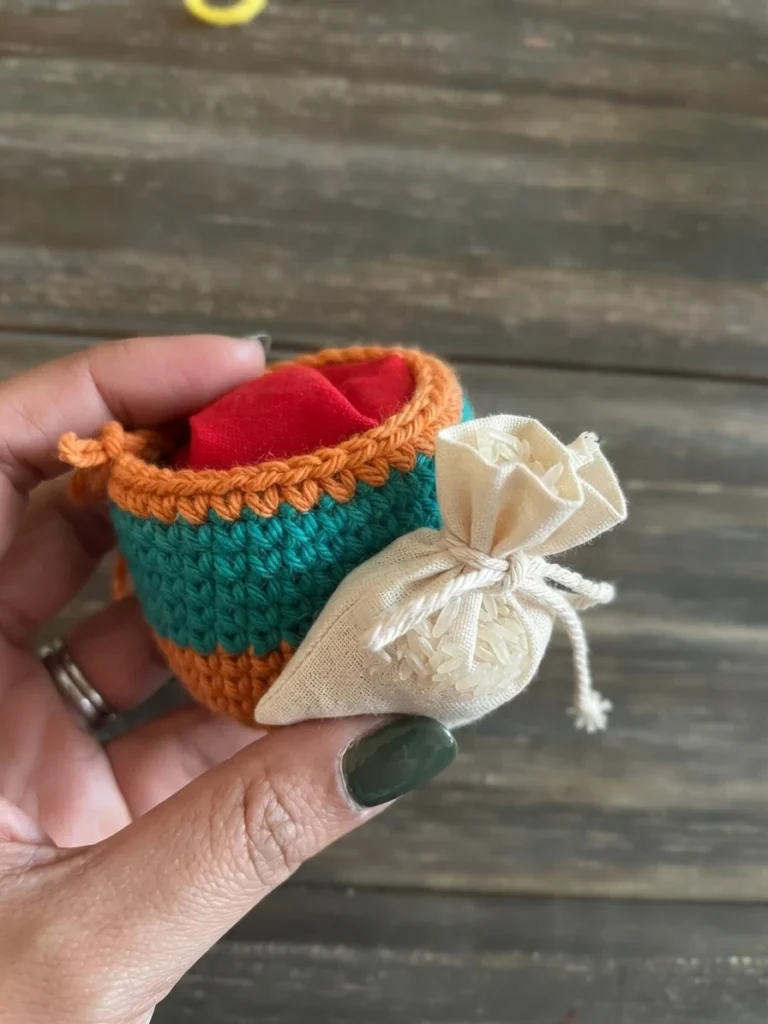
For the fabric method, cut a 6 inch by 6 inch square of cotton fabric. With a sewing needle and thread, loosely stitch around the edge, roughly 1/4 inch from the sides. Pull the two tail ends to cinch the fabric into a small pouch. Fill the pouch with 2-3 tablespoons of uncooked rice, cinch tightly, and tie to close. Sew around the edge to secure if needed. Place the pouch into the center of the footbag, then continue to the decreasing section.
Decreasing section
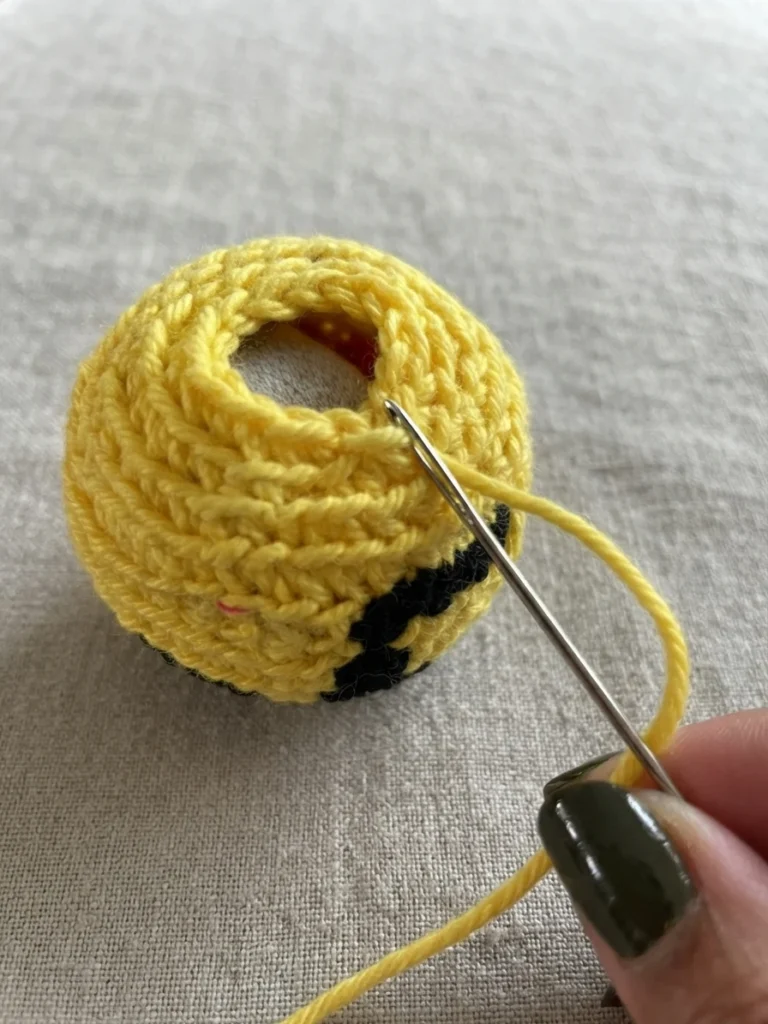
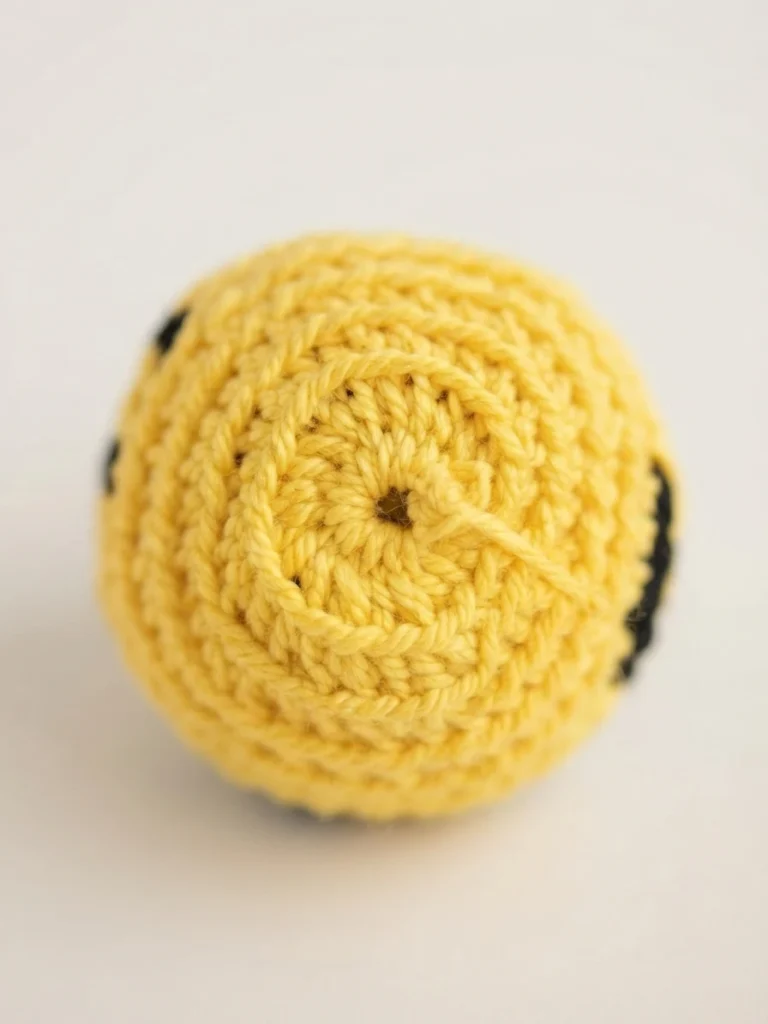
The decreasing section works in the main color only. It begins with an even round, then narrows the ball with rounds that pair single crochet in the back loop only with decreases. The opening becomes small enough to close neatly. To finish, leave a long tail, weave it under the front loop of each stitch, pull tightly, tie off, and weave in the end.
Using your footbag
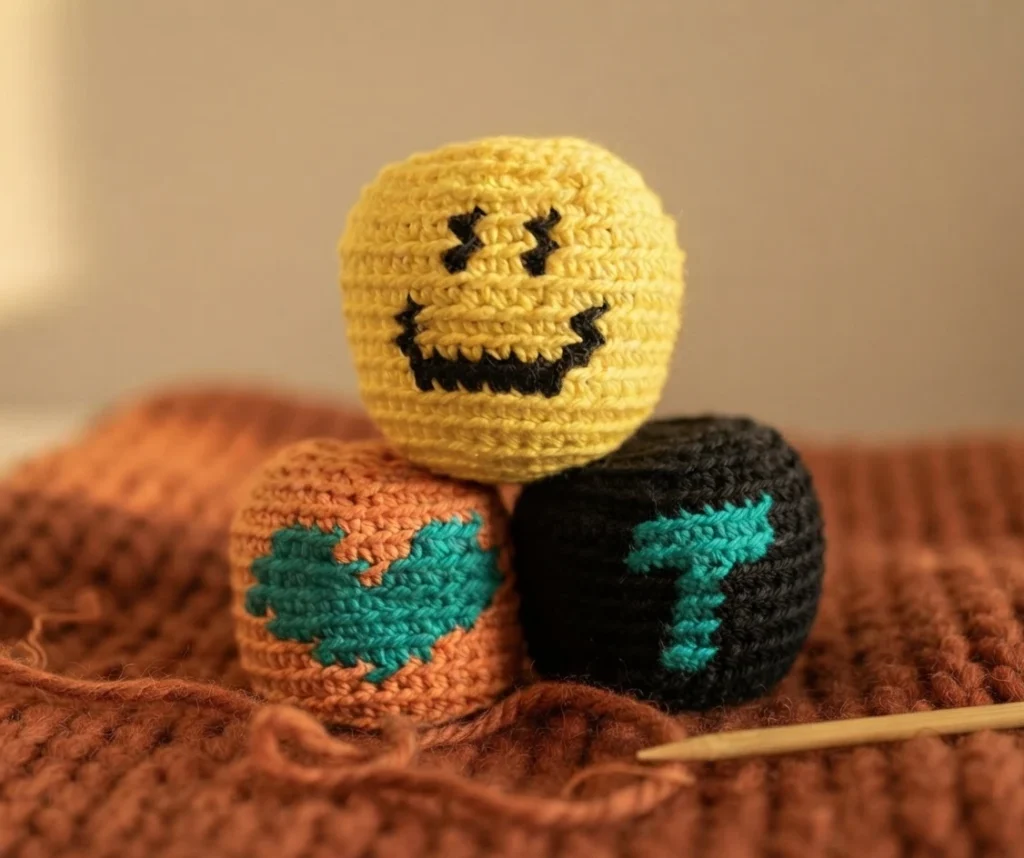
Use the finished footbag for a passing game, squeeze it as a fidget toy, or enjoy it as a hand warmer. To warm it, place it in the microwave for 15-20 seconds. Monitor the footbag during warming and remove it promptly.
Final Thoughts
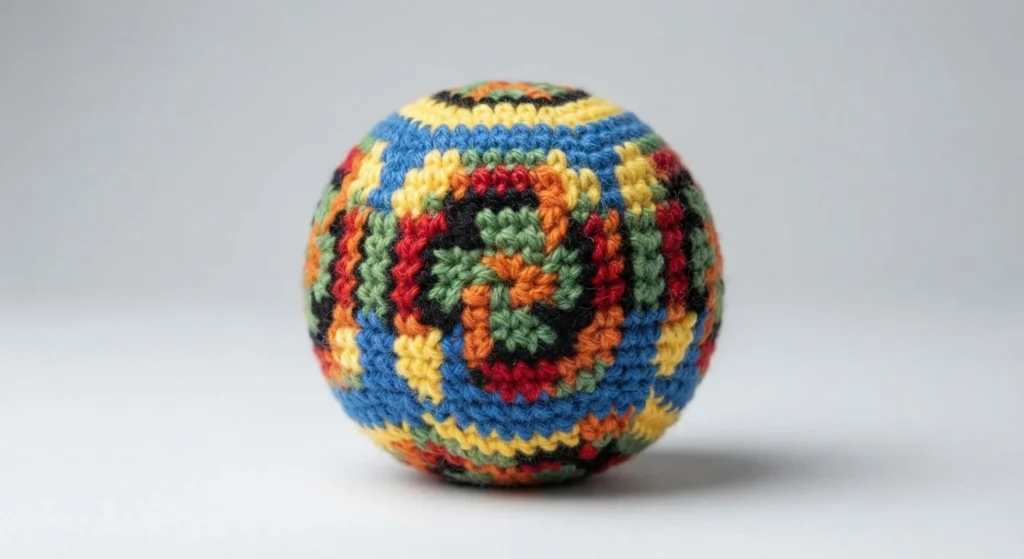
Thank you for exploring the Smiles and Hugs Footbag. This small project makes a thoughtful gift for special people and a cheerful toy to keep nearby. Enjoy making a few in favorite colors, and share the smiles with friends today.